









In this guide:
- Why US soup programs run on hand blenders
- Hand blender for soup: from batch kettles to plated service
- Hand blender for sauces: the second job every kitchen needs
- Corded vs. cordless in a hot kitchen
- Foodservice compliance: NSF, UL, FDA, and sanitation
- Hand blender for soup wholesale foodservice: MOQ and lead times
- Why Florida and the Southeast order big
- FAQ and how to get a wholesale quote
* alt:hand blender for soup *
Soup is the quiet profit center of American foodservice. A 40-quart kettle of tomato bisque costs pennies per bowl, sells for dollars, and feeds a whole lunch service. The tool that makes that math work is the immersion blender, and the hand blender for soup is the single most-used stick tool in a US kitchen that runs a soup program. We are YLD Home, the Shenzhen manufacturer behind commercial stick blenders sold to foodservice distributors and operators across the United States. This guide covers how to buy a hand blender for soup wholesale, what specs survive a real service, and how to pick a supplier that will still answer the phone in year three.
Why US Soup Programs Run on Hand Blenders
Every kitchen that serves soup has to puree it. You can transfer hot soup to a countertop blender in batches, but nobody who has done it twice wants to do it again. The countertop route means ladling hot liquid into a pitcher, venting the lid, blending in batches, and washing the pitcher between every batch. A hand blender for soup purees the whole kettle in place, in minutes, with the motor safely above the steam. That is not a small convenience; it is the difference between a soup program that costs labor and one that makes money.
The numbers show why operators standardize on immersion tools. A batch of soup that takes forty minutes to puree in a countertop blender takes about five minutes with a hand blender for soup. Over a month of lunch services, that is hours of labor returned to the line. Distributors see the pattern too: soup-focused accounts reorder stick blenders faster than any other small equipment, because the tool is in use every single day.
When a supplier tells you the hand blender for soup category is steady, believe them. We see the reorder data from our own factory, and it does not dip. Soup is not a trend category; it is a menu staple from the diner in Ohio to the hotel kitchen in Miami. The equipment that supports a staple sells at a staple’s pace, which is exactly the kind of demand a foodservice distributor can plan inventory around.
Hand Blender for Soup: From Batch Kettles to Plated Service
Let us follow one unit through a real kitchen day. At seven in the morning, the prep cook uses the hand blender for soup to puree the base of the day: butternut squash, roasted and simmered overnight. At eleven, the line cook blends the finished bisque in the kettle, adding cream in a slow stream while the blender runs, which gives that smooth, glossy texture customers notice. At two, the same unit purees a small batch of broccoli cheddar for the grab-and-go case. One tool, three services, zero transfers. That is the daily pattern behind every foodservice order we ship.
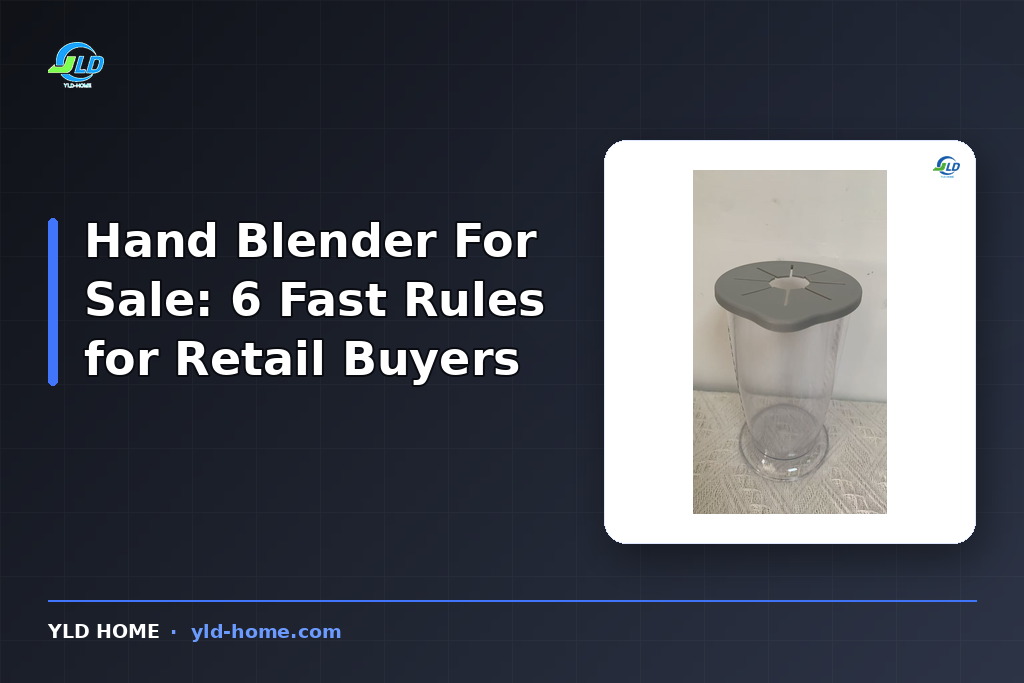
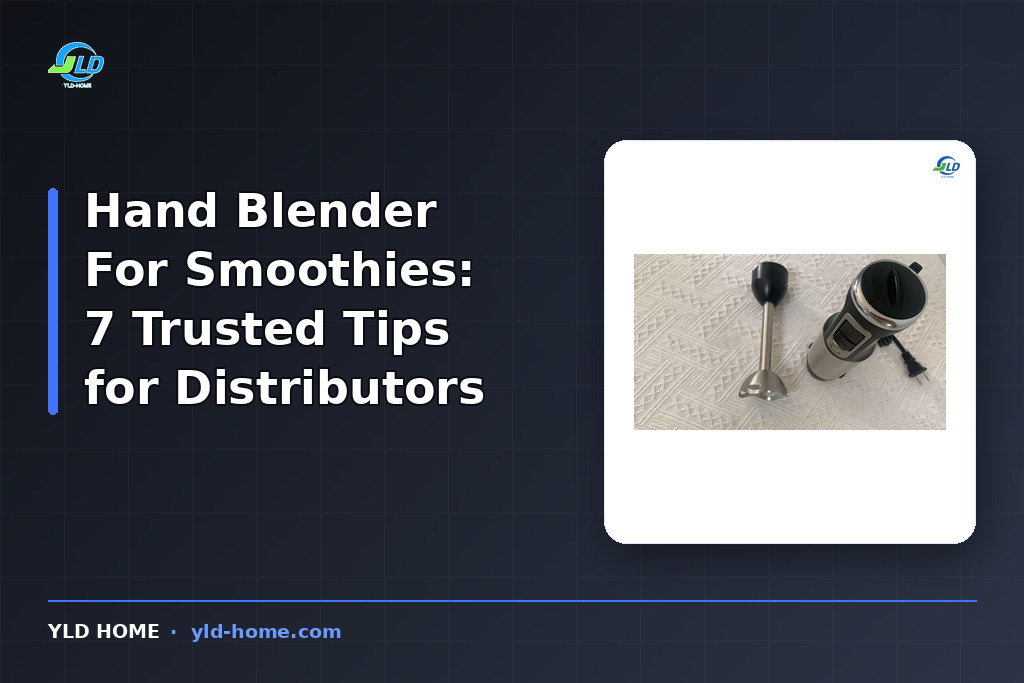
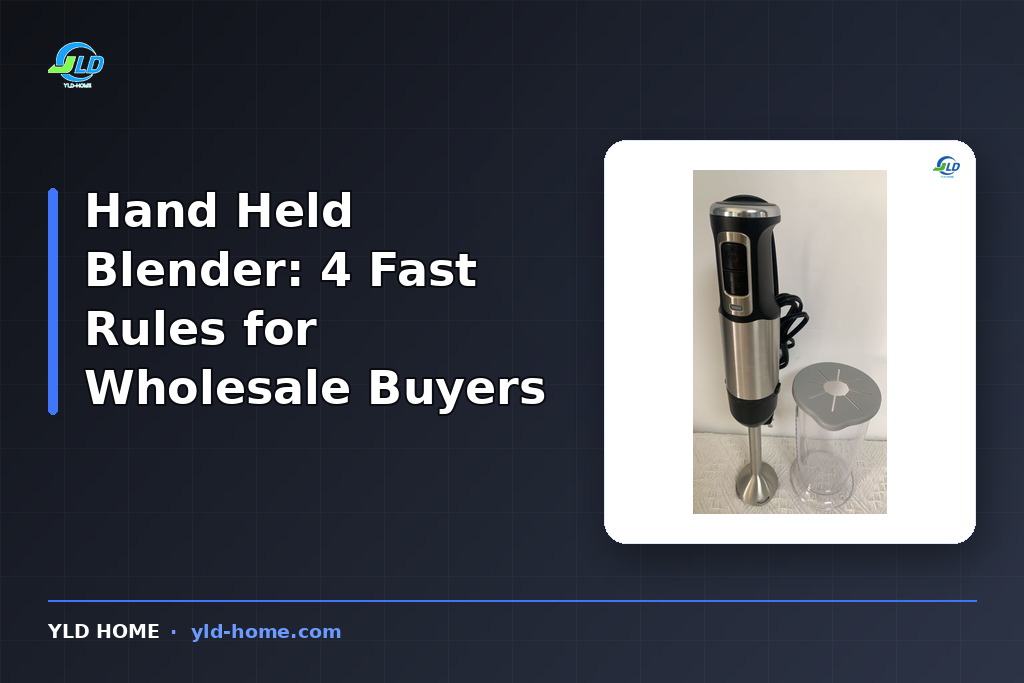
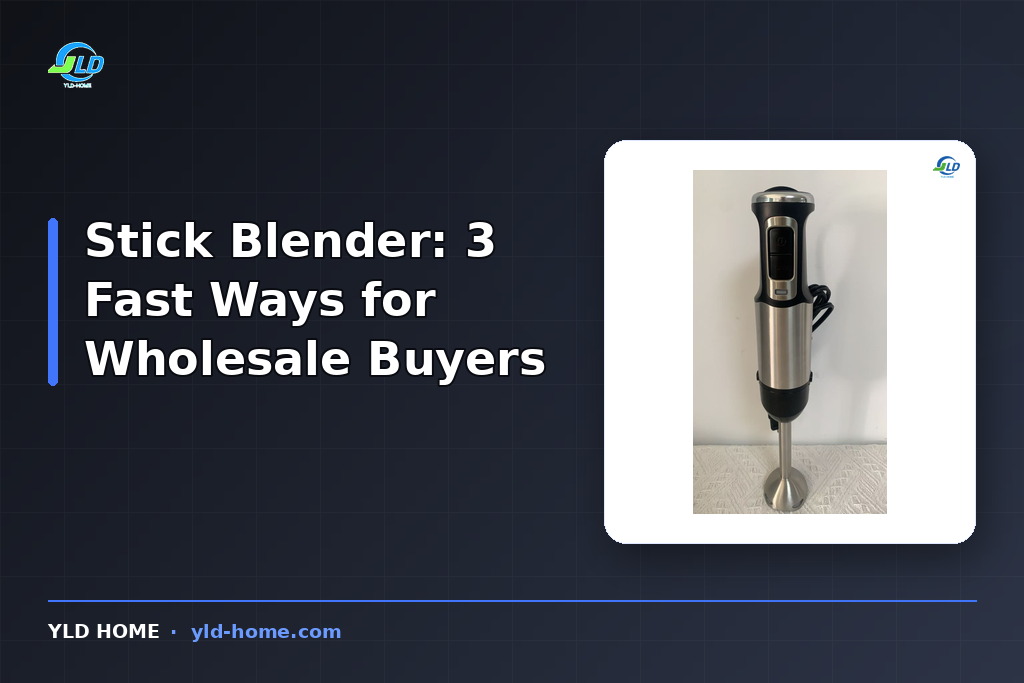
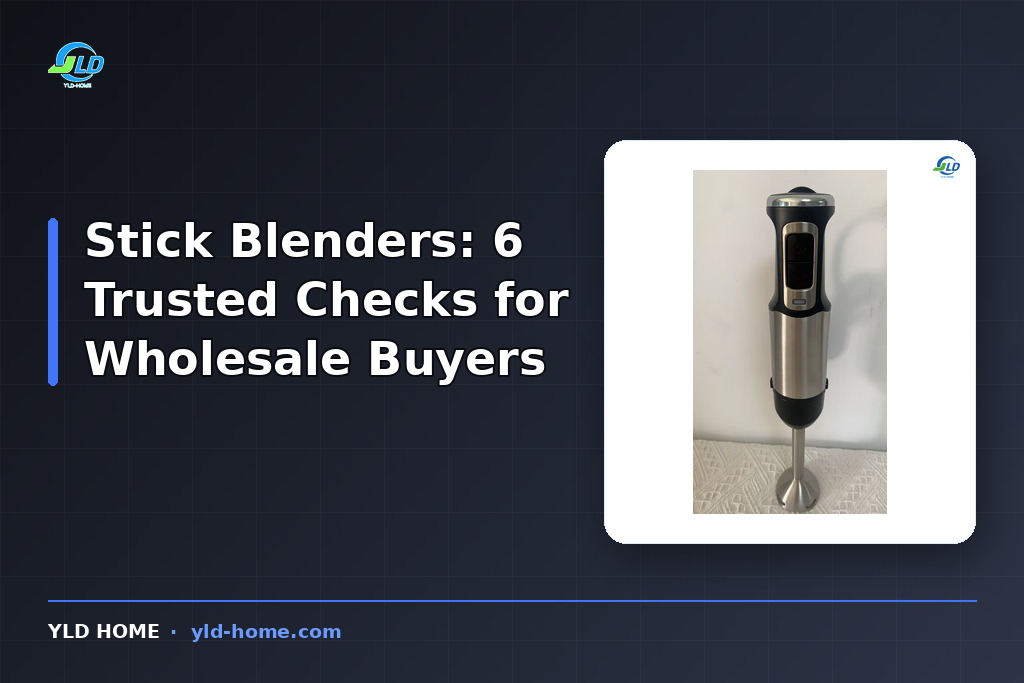
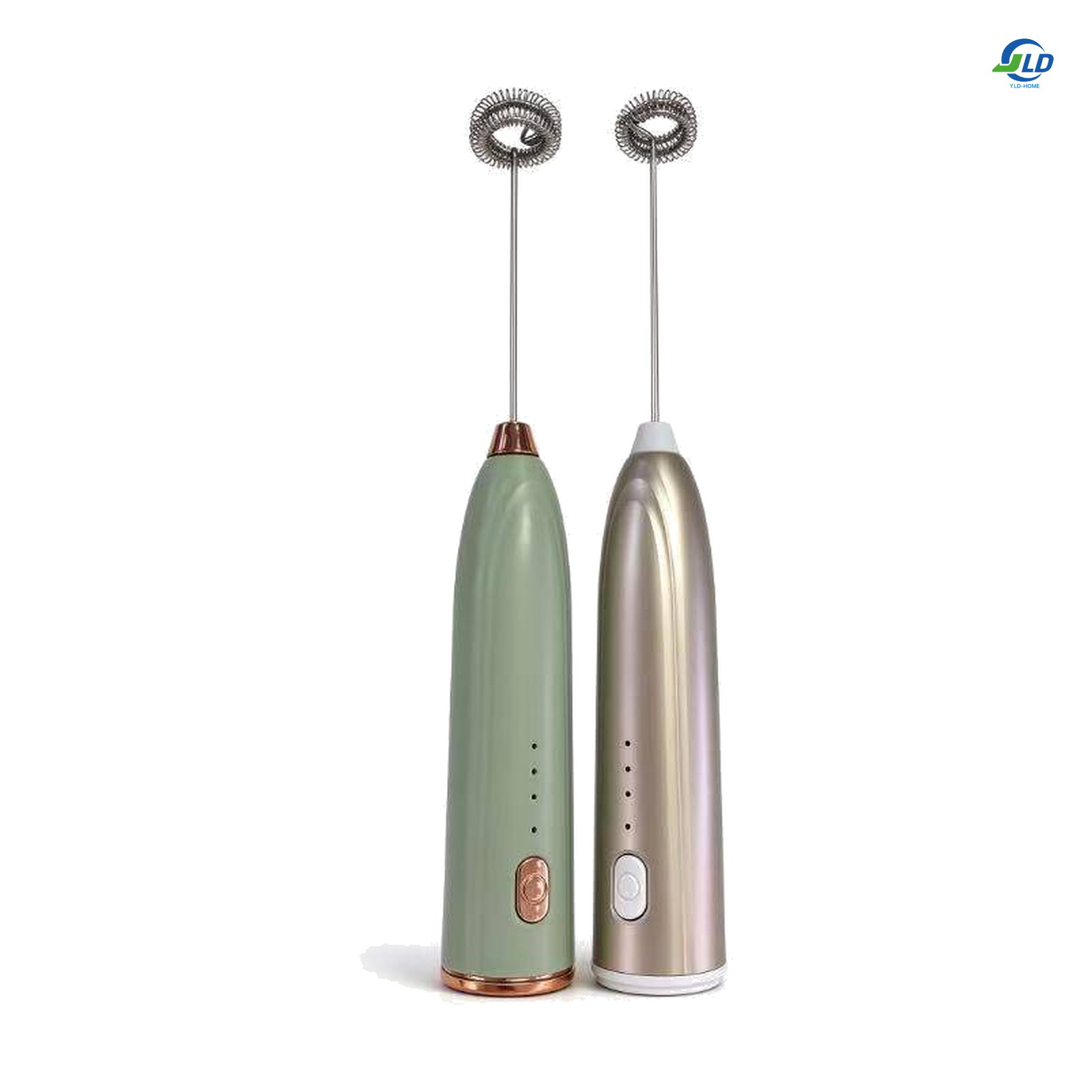
The physical requirements come from that pattern. The shaft has to be long enough to reach the bottom of a 40-quart kettle without the motor housing dipping into steam. The blade has to handle fibrous vegetables without stalling. The motor has to survive hot liquid splashing up the shaft, which is why we build a sealed shaft and a splash guard on commercial models. Our 6006L powerful stick blender has an extended shaft built exactly for this job, and the 6007 varinha mágica potente covers heavier batch work.
When a buyer asks what to order for a soup program, we ask about kettle size first. That single answer picks the model. A 20-quart kettle and a 60-quart tilt skillet need different shaft lengths and different motor loads, and ordering the wrong one means either a unit that strains all day or a unit that costs more than the job needs. Send us your equipment list and we will map the model to the kettle.
Hand Blender for Sauces: The Second Job Every Kitchen Needs
Soup kitchens run on sauces too, and the same platform does both. The hand blender for sauces job is where immersion tools earn their keep: hollandaise in the morning, vinaigrette for the salad station, marinara for the pasta line, and the pan sauces at the pass. A hand blender for sauces emulsifies in the container it is made in, which means no transfer and no second cleanup. For a kitchen running a full menu, the stick blender is the one tool that touches both the soup kettle and the sauce pot in the same shift.
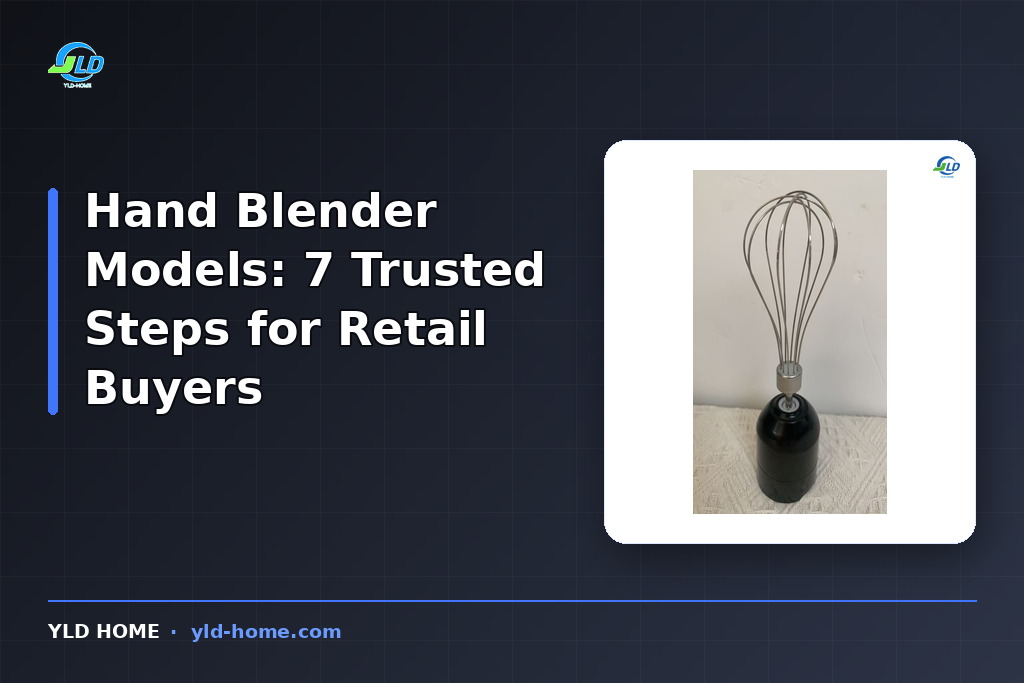
Texture control is the reason chefs prefer it. With a countertop blender, you get all-or-nothing speed. With a hand blender for sauces, the cook controls the depth and the motion, so a chunky marinara stays chunky and a hollandaise gets exactly the right emulsion. We hear this from chefs constantly, and it is the reason our 4-in-1 hand blender with whisk attachment sells into smaller kitchens that want one tool for soup, sauce, and whipped cream.
When you source for foodservice, ask for the attachment matrix. The right whisk turns a soup tool into a sauce station, and the right chopper attachment turns it into a prep tool for onions and herbs. A platform with a full attachment family means your customer buys one motor and three tools, which is a better value story for the distributor and a better shelf story for the retailer.
* alt:hand blender for soup sauces*
Corded or Cordless in a Hot Kitchen: The Lithium-Ion Question
Corded wins in most kitchens, full stop. Outlets are everywhere, service never pauses for a charge, and there is no battery to swap mid-shift. But cordless has its place: catering events, food trucks, outdoor stations, and any spot where the nearest outlet is across the room. A cordless hand blender for soup lets a caterer puree at the table or at the tent, and modern packs are built from lithium-ion cells, the same chemistry that powers laptops and power tools. The technology is proven, and battery certification matters when you import them.
What buyers need to know: lithium-ion adds cost, weight, and regulation. Packs and chargers need UL 2595 or equivalent coverage, and air freight of batteries is restricted, which affects reorder speed. For a foodservice program, we usually recommend corded as the workhorse and cordless as the specialty tool. The chemistry and safety background are covered in the Wikipedia entry on lithium-ion batteries, which is worth a read if your compliance team wants the full picture.
Our cordless models run a full service shift on one charge, with a dock that keeps a second unit ready. Offer both, and let the operator’s floor plan decide. A hotel banquet kitchen in Orlando will pick corded. A food truck in Austin will pick cordless. Neither choice is wrong, and a supplier that only offers one is forcing your customer to compromise on a tool they will use every day.
Foodservice Compliance: NSF, UL, FDA, and Sanitation-Friendly Design
A hand blender for soup that enters a licensed US kitchen has to clear a specific compliance list. NSF certification covers commercial sanitation, and many health departments and chain programs require it for food-contact equipment. UL or ETL covers electrical safety of the motor, housing, and cord. FDA food-contact compliance covers the shaft, blade, and attachments. Operators get inspected, and the inspector will look at the equipment in use. A unit without the right marks is a violation waiting for a slow afternoon. We build commercial platforms to carry all three, and we renew the certificates on schedule.
Sanitation-friendly design is the part that shows up in daily use. The shaft and blade detach for washing, the motor body never touches food, and there are no crevices where soup residue hides. Our HB006-3 detachable food processor extends the same design philosophy to prep work, with parts that come apart and go through the dishwasher. YLD Home designs every commercial unit so a health inspector can look at it and nod.
When you write the spec for a foodservice bid, put the certification list in writing, and ask the supplier for certificates dated within the last twelve months. Then check the dates yourself. We have seen suppliers present expired certificates with a straight face, and the operator who catches it saves their account. Certification is not a one-time checkbox; it is a standing commitment, and the supplier’s renewal record tells you how seriously they take it.
Hand Blender for Soup Wholesale Foodservice: MOQ, Lead Times, and Freight
A hand blender for soup wholesale foodservice order follows the same rhythm as other commercial equipment: stock units move fastest, private label takes longer, and container pricing beats piece pricing. Our stock MOQ is [fill actual] units, private label starts at [fill actual] units, and lead times run [fill actual] weeks ex-factory for stock, [fill actual] weeks for private label. The ocean leg from Shenzhen to US East Coast ports like Miami or Savannah runs about four weeks, and West Coast runs about three. Foodservice buyers often plan around distributor release dates, so we map the calendar back from there.
| Order type | MOQ | Lead time (ex-factory) | Typical freight route |
| Stock model, our brand | [fill actual] units | [fill actual] weeks | LCL to Miami or LA |
| Private label, foodservice spec | [fill actual] units | [fill actual] weeks | LCL or FCL |
| Cordless kit with dock | [fill actual] units | [fill actual] weeks | FCL, battery docs |
| Attachment sets (whisk, processor) | [fill actual] sets | [fill actual] weeks | FCL or LCL |
One warning we give every foodservice buyer: do not order your first container against your peak season. Start with a smaller order, run it through a distributor, and watch the field data for two quarters. The reorder will be bigger, better timed, and cheaper per unit. We have watched too many buyers order 5,000 units in January for a fall launch and then sit on inventory because the sell-through was slower than the spreadsheet said. Start small, prove the model, then scale. Our job is to make that second order the easiest one you place.
Soup Blender Supplier Florida: Why the Southeast Orders Big
Florida is a foodservice heavyweight, and soup is a year-round category there. Between the hotel kitchens in Miami, the cruise lines, the retirement communities, and the restaurant density in Orlando and Tampa, the demand for commercial stick blenders is steady. When a soup blender supplier Florida account orders from us, the pattern is usually the same: a distributor stocking commercial equipment for the whole region, buying in containers through the port of Miami. The Southeast buys corded units heavily, because the hotel and restaurant volume is constant and the climate does not stop service.
The Florida lesson for suppliers: reliability beats price in a market this dense. A hotel kitchen in Miami that loses a blender during a banquet service does not care about the invoice; they care about the replacement. That is why YLD Home keeps stock in our US distribution pipeline and maintains a fast replacement policy for foodservice accounts.
A distributor in Orlando told us he switched to our line because our failure rate was the lowest in his warehouse, and he could prove it with his own return log. When you shortlist a soup blender supplier, ask for their return data. The ones with low numbers will show you the spreadsheet. The ones with high numbers will talk about their warranty department, and you will know what that means.
What Survives a 400-Cover Dinner Service
Dinner service is the stress test. Four hundred covers means the soup station is running continuously from five to nine, and the hand blender for soup is in and out of hot liquid the whole time. We design for that shift: motors rated for continuous duty, thermal protection that cuts in before the motor burns, metal drive shafts that do not flex, and blade assemblies that stay sharp through a full season. When we test a new platform, we run it for [fill actual] hours of continuous blending, then check the temperature rise. If it gets too hot to hold, it does not ship.
The field data matches the lab. Our commercial platforms show field failure rates under [fill actual] percent across US foodservice accounts, and the failures we do see cluster in the first thirty days, which is exactly why we test every unit on the line before packing. Operators notice the difference in the second year, when the budget line for replacement equipment quietly disappears.
A hand blender for soup that survives a 400-cover dinner service is not a luxury; it is the cheapest insurance a soup program can buy. Ask your supplier what their duty cycle rating is, and ask them to put the test hours in writing. The spec sheet says “heavy duty” on every box in the world. The test log is where the claim becomes a fact.
Case Study: A Tampa Caterer Standardizes on One Platform
A caterer in Tampa ran three different stick blenders bought from three different suppliers, and none of them lasted a season. Motors stalled on thick soups, shafts bent, and the warranty process meant shipping units back to a supplier who took a month to reply. He called YLD Home through a distributor, tested the 6007 powerful stick blender, and replaced his whole fleet with [fill actual] units plus our HB006-3 detachable food processor for prep. The first event season ran without a single equipment failure, which he told us had never happened before.
The standardization paid off in training too. His staff learned one platform instead of three, and the backup unit policy became simple: two spares per truck, same model, no confusion. He now orders on a semi-annual cycle and has added the 6006L powerful stick blender for his deep-batch catering kettles.
When we asked him what changed, he said the difference was a supplier who treats a hand blender for soup order like a partnership, not a transaction. The spare parts arrived with the units, the service documentation matched the models, and the one warranty claim he did file was settled in a week. That is the standard we hold ourselves to, and it is the standard you should hold any supplier to before you sign.
Choosing Your Model and Getting a Wholesale Quote
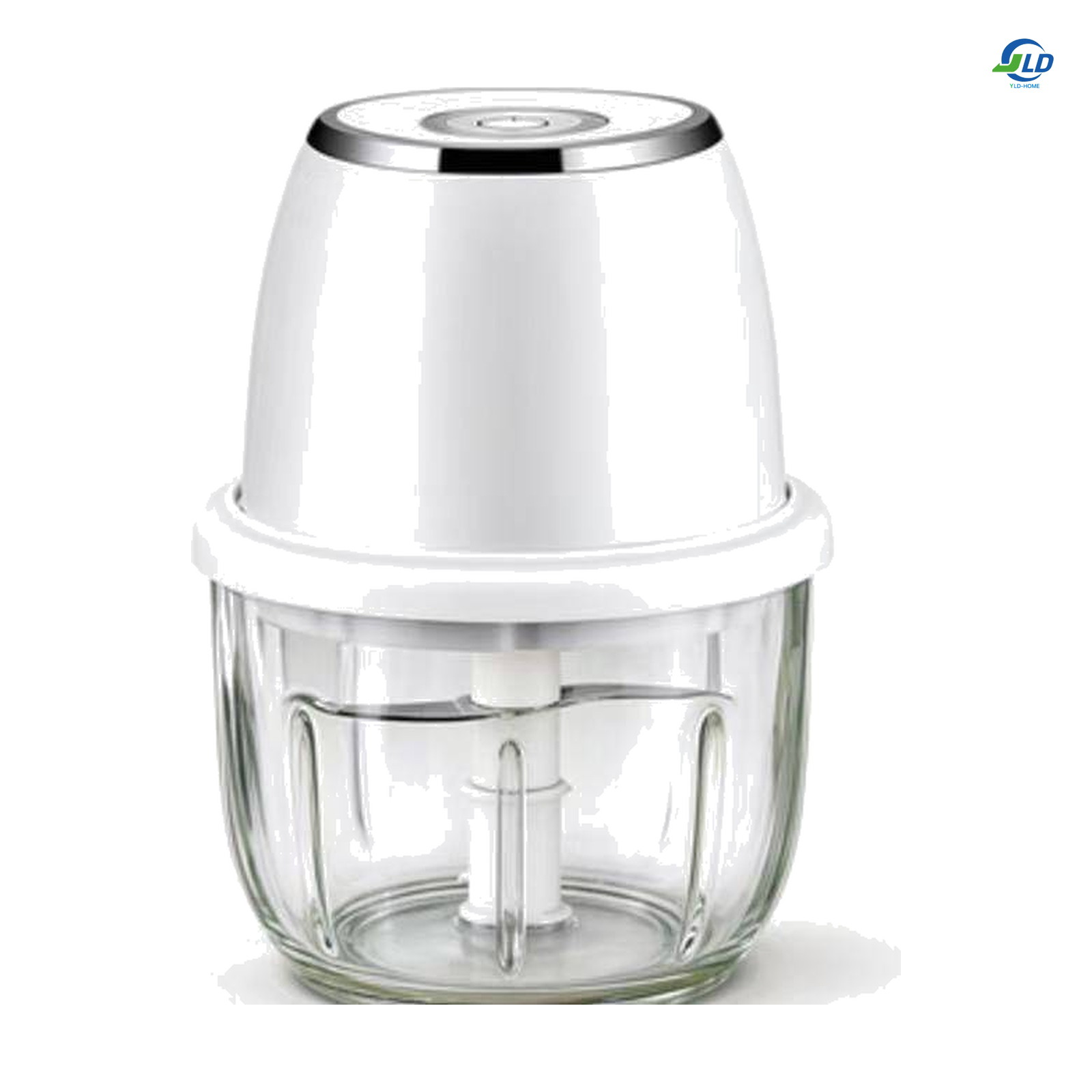
For a soup program, the model choice comes down to kettle depth and volume. The 6006L powerful stick blender covers deep batch containers. The 6007 powerful stick blender handles heavier, thicker loads. The 4-in-1 hand blender covers smaller kitchens and sauce work with its whisk and chopper attachments. The hand blender range shares the same motor family and service parts across models, which keeps your spare-parts inventory small. If you are not sure, tell us your kettle sizes and your daily covers, and we will recommend a platform. We have done this for hundreds of foodservice buyers.
To get a hand blender for soup wholesale foodservice quote, send us target quantity, corded or cordless, stock or private label, and your port. We reply within two business days with pricing, lead time, freight options, and the certification documents your file needs. YLD Home has shipped commercial stick blenders to distributors and operators in Florida, Texas, New York, and everywhere between.
The first order is the hardest one; after that, it is reorders, references, and growth. Start the conversation with a sample order, run it in a real kitchen, and let the field data make the case for the container. We would rather sell you ten samples today and a container next quarter than a container today and nothing next year. That is the difference between a factory partner and a vendor.
Perguntas frequentes
Q1: What is the best hand blender for soup for a US foodservice kitchen?
The best hand blender for soup is a corded commercial model with a long shaft and a motor rated for continuous duty. Our 6006L powerful stick blender is built for deep kettles, and the 6007 powerful stick blender handles heavier batches. Send us your kettle sizes and we will confirm the match.
Q2: What is the MOQ for a hand blender for soup wholesale foodservice order?
Stock models start at [fill actual] units. Private label foodservice programs start at [fill actual] units per model. Attachment sets can be added to any container order.
Q3: Do you work with soup blender supplier Florida distributors?
Yes. Florida is one of our strongest US regions. We ship through the port of Miami and coordinate with distributors covering Orlando, Tampa, and the hotel corridor.
Q4: Can we get NSF certification on a private label unit?
Yes. Our commercial platforms carry NSF, UL or ETL, FCC, and FDA food-contact coverage, and the marks apply to private label runs. Certificates are included with every quote.
Q5: How long does delivery take?
Production runs [fill actual] weeks ex-factory for stock units. The ocean leg to East Coast ports like Miami runs about four weeks, and West Coast ports about three. Air freight is possible for urgent reorders.
Q6: What about cordless units for catering?
We make cordless models with lithium-ion packs that run a full service shift, plus a dock that keeps a second unit charged. They work well for catering and food trucks, though corded remains the foodservice workhorse.
Q7: What is your replacement policy for commercial units?
We replace defective units by batch and keep QC records and photos for every shipment. For foodservice accounts, we keep a fast replacement pipeline so a downed blender does not cost you a service day.
Official references
Lithium-ion battery on Wikipedia
How YLD Home keeps blender for soup wholesale supply predictable
Every blender for soup wholesale order runs through IQC on incoming parts, IPQC on the line and OQC before packing, and YLD Home shares inspection and loading photos so you see the shipment before it sails. Ask for the blender for soup wholesale test report set for your market.
How YLD Home keeps stick blenders supply predictable
Every stick blenders order runs through IQC on incoming parts, IPQC on the line and OQC before packing, and YLD Home shares inspection and loading photos so you see the shipment before it sails. Ask for the stick blenders test report set for your market.
How YLD Home keeps supply predictable
Every order runs through IQC on incoming parts, IPQC on the line and OQC before packing, and YLD Home shares inspection and loading photos so you see the shipment before it sails. Ask for the test report set for your market.