









In this guide:
- Why the the product UK market is a useful early signal for US importers
- UK vs US specs: voltage, plugs, and what changes on the factory floor
- What UK baby food rules teach American buyers about food contact
- Do UK certifications help you sell in the US?
- How British distributors buy the unit UK wholesale
- Finding a this model UK supplier you can trust
- Importing a the appliance UK-tested line into the USA
- FAQ: common questions about the small blender UK market
Here’s a question we get from US importers more often than you’d think: why should I care about the the unit UK market? The short answer is that the UK is where European standards meet English-language retail, and products that pass there tend to do well here. The long answer is this article.
We’re YLD Home, a Shenzhen manufacturer of hand blenders, stick blenders, and immersion blenders, and we ship to both markets from the same factory floor. Over the years we’ve watched US buyers use this model UK sales data, UK certifications, and UK packaging trends to make better decisions at home. This guide explains what they’re looking at and why it works. If you sell a the appliance UK-style spec in the US, you’re selling a product that has already survived the toughest audience in the English-speaking world.
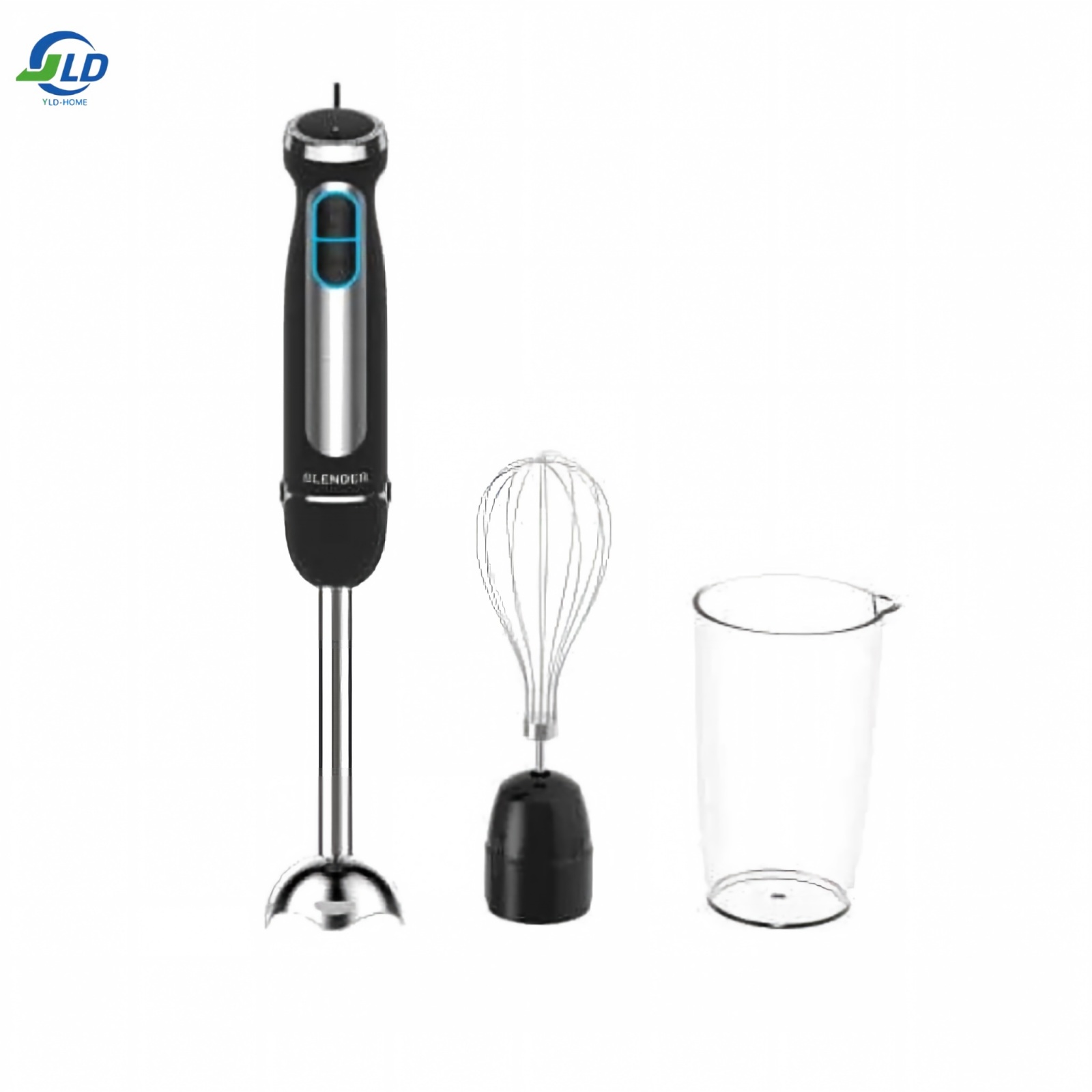
Why US Importers Watch the Small Blender UK Market
The UK is a strange and useful market. It’s small — about 68 million people, roughly a fifth of the US — but it’s dense, English-speaking, and brutally picky. British retailers like John Lewis, Sainsbury’s, and Argos demand quality documentation, and their customers write reviews like it’s a national sport. A product that survives a UK launch usually survives anything.
That’s why brands treat the UK as a test market. Launch in the UK, watch the feedback, fix the problems, then scale to the US with confidence. American importers can read the same signals without launching anything: the the product UK listings on Amazon UK, the price points British shoppers accept, the features British buyers complain about in reviews. All of it transfers.
The numbers back the habit. UK shoppers pay more for small appliances than US shoppers — roughly 15 to 25 percent more at retail for equivalent products. When a US importer sees a the unit UK model selling at £39.99, they learn something about ceiling prices for a premium version of their own line. When they see UK reviews hammering a weak blade lock, they know exactly what to test before their own container ships.
There’s a timing angle too. British retailers plan their seasonal programs in spring, and the feedback cycle runs ahead of the US holiday season. When we tested a UK launch of our 300W stick blender in March, the tweaks from that run — a quieter motor bearing, a firmer speed dial — were in our US export models by July. Same factory, same line, two markets, one improvement loop.
UK vs US Specs: What Actually Changes in the Factory
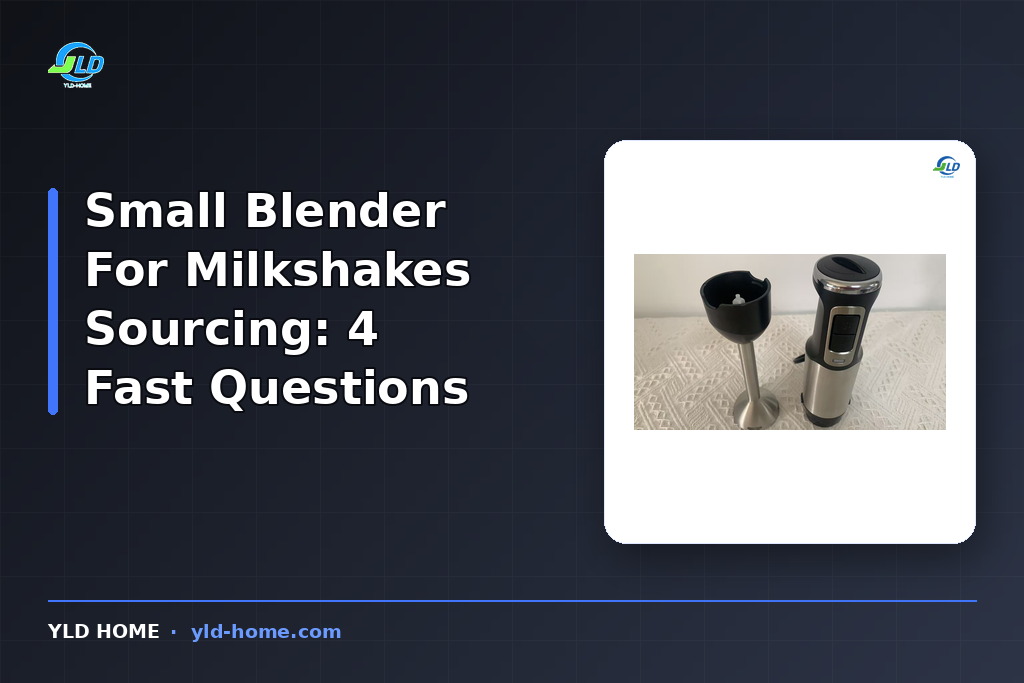
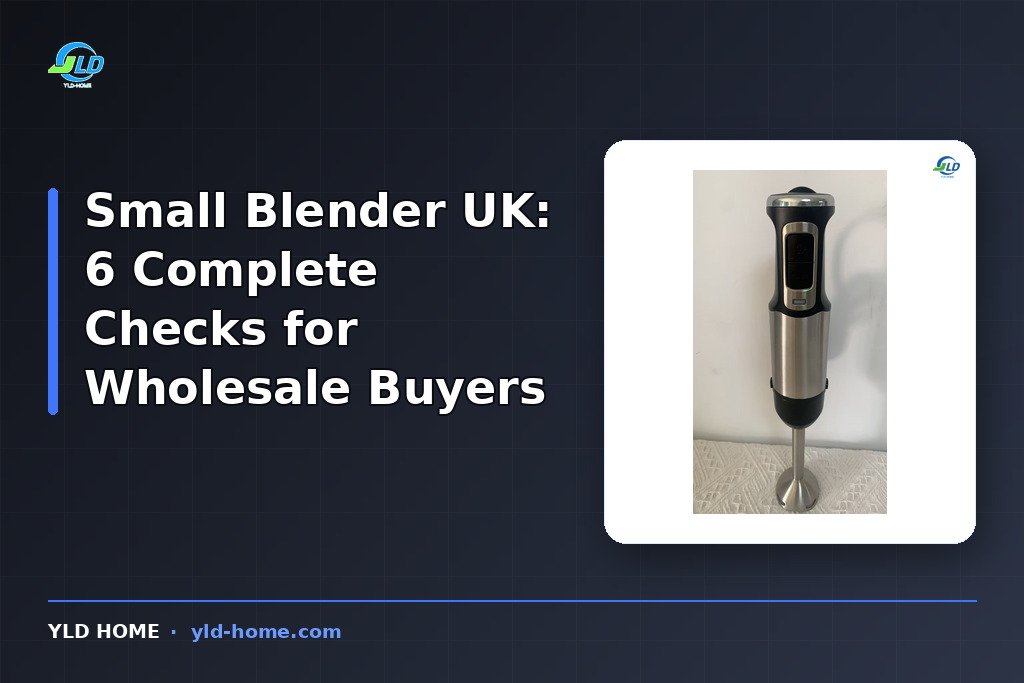
This is where the engineering gets interesting. A this model UK model and a US model look identical on the shelf. Inside the housing, they’re different machines.
The UK runs 230V at 50Hz. The US runs 120V at 60Hz. That single difference changes the motor windings, the capacitor values, and the thermal protection on every unit. You can’t just swap a plug. Our varinha mágica manual, produced on the same YLD Home line as our US models, ships in a 230V variant with a BS 1363 three-pin plug for the UK and a 120V variant with a NEMA plug for the US. Same body, different guts, separate production runs.
| Spec | UK model | US model |
|---|---|---|
| Tensão | 230V / 50Hz | 120V / 60Hz |
| Plug | BS 1363 three-pin | NEMA 1-15 two-pin |
| Motor rating | 350W at 230V | 300W at 120V |
| Certificação | UKCA + CE | UL / ETL |
| Manual language | UK English | US English |
| Carton markings | GS1 UK, bilingual EN/FR | UPC, English/Spanish |
Wattage deserves a closer look. A motor rated 350W at 230V draws less current than a 300W motor at 120V, so the UK rating looks higher on paper. Compare them by performance, not by the number on the box. British buyers also expect a longer cord — 1.5 meters is common because UK kitchens are laid out differently — and a quieter unit, because UK apartments are smaller and sound carries.
The certification difference matters even more than the electrical one. The UK requires UKCA marking, which replaced CE for most goods after Brexit, and CE remains valid in the EU. The US requires UL or ETL. Three marks, one product platform, two test programs. That’s the reality of selling to both English-speaking markets, and it’s cheaper than most buyers expect if your factory has done it before.
What UK Baby Food Rules Teach US Importers
Here’s the part American buyers usually find surprising. The UK and the EU regulate food contact materials harder than the US does, and the strictest category of all is baby food. Blenders marketed for weaning — pureeing vegetables, fruit, and meat for infants — fall under food-contact rules with migration limits for heavy metals, plasticizers, and BPA that are tougher than the FDA’s general food-contact requirements.
British parents read labels the way US parents read nutrition facts. If a the appliance UK model claims it’s safe for baby food, it needs the material tests to back it up. Wikipedia’s entry on baby food gives a good picture of how tightly the whole category is watched, from ingredients to packaging. The appliance side follows the same logic: the jar, the blade seal, and the gasket all have to prove they don’t leach anything into warm food.
What does that mean for a US importer? Two things. First, if a factory can document compliance with UK/EU food-contact rules, the FDA side is almost always a formality — the materials are the same, just tested to a slightly different standard. Second, “BPA-free” alone is a weak claim. Ask for the migration test report, not the slogan. We keep migration test reports for every food-contact part we mold, and we send them with UK and US samples alike.
There’s a marketing angle too. US parents are the most safety-conscious buyers in the world, and a blender that documents baby-food-grade materials sells itself in both markets. When we show a US retailer the same material certificates we gave a UK weaning brand, the conversation changes. Trust is a spec.
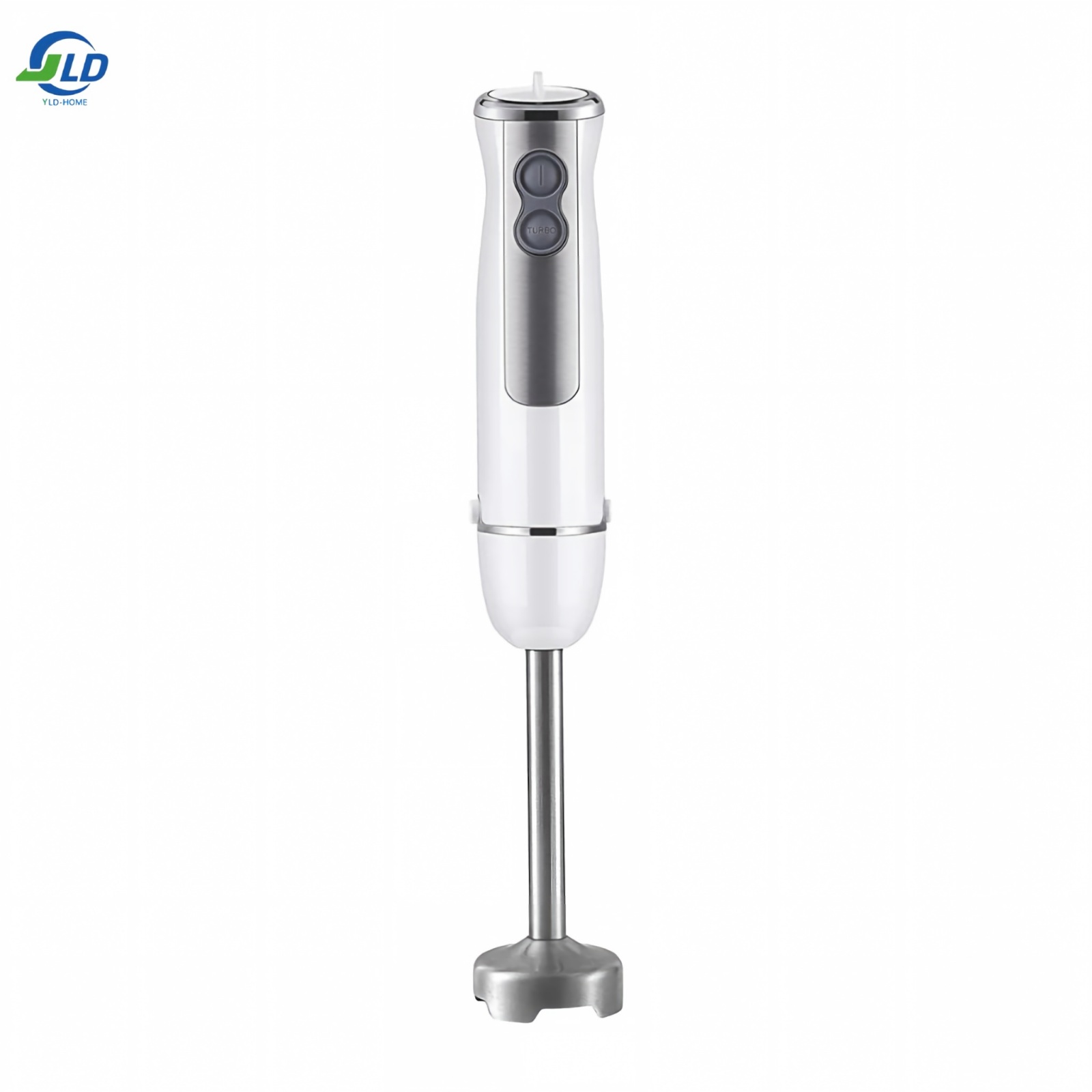
Does a Small Blender UK Certification Help You Sell in America?
Straight answer: no, not directly. CE and UKCA are not UL or ETL. US retailers and US law want a Nationally Recognized Testing Laboratory listing, full stop. A the product UK model with perfect UKCA paperwork still needs a UL or ETL program before it can sit on a US shelf.
But the work isn’t wasted. The base safety standard for both markets is IEC 60335, and the test evidence overlaps more than you’d expect. Some NRTL labs accept prior test reports for the electrical portion and test only what’s different — the plug, the voltage rating, the specific US requirements. That can cut the US certification cost and timeline roughly in half if the factory’s records are clean.
The practical strategy is one platform, two certifications. Design the product once with margins for both voltages, then certify for the market you’re shipping to. Our page on about our appliance certification lists what we hold on which models, because buyers need to check this before they ask for a quote, not after.
A distributor in New York put it well: “I don’t care about UKCA. I care that the factory has done this before.” What he meant is that a factory with UK and US experience has already made every mistake there is to make — wrong plugs, wrong labels, wrong carton markings — and fixed them. The certification is the receipt for that experience.
How British Distributors Buy Small Blender UK Wholesale
British distributors buy differently than Americans, and the differences are useful. They order smaller — typical the unit UK wholesale runs are 500 to 1,000 units per model, against 1,500 to 3,000 for a comparable US distributor. They turn stock faster, because UK retail is concentrated in a handful of chains and the buying windows are short. And they pay more per unit, which means the margin structure is friendlier.
UK buyers also expect more from the factory. They want mixed containers, fast sample turns, and product that arrives with UK English manuals, UKCA documentation, and carton markings that survive a UK warehouse audit. A distributor in Birmingham told us he rejects whole shipments for label errors that a US buyer would never notice. Once you’ve met UK expectations, US requirements feel easy.
The trade show rhythm matters too. UK housewares buyers meet at the Spring Fair in Birmingham, and the big retail programs get locked in months ahead. If you’re reading this as a US importer, that calendar is a free market forecast: what UK chains commit to in spring, US retailers often chase by fall.
One more pattern worth copying: UK distributors test with smaller first orders and scale fast when a model hits. One of our UK customers started with 400 units of our immersion blender, sold out in nine weeks, and ordered 2,400 units in the next cycle. That’s the discipline US buyers should borrow — prove demand cheaply, then commit hard.
Finding a Small Blender UK Supplier US Importers Can Trust
Here’s the reality of the this model UK supplier market: most of the “UK suppliers” you’ll find online are importers reselling Chinese-made units with a markup of 30 to 50 percent. That’s a legitimate business, and sometimes it’s the right choice for tiny orders. But if you’re buying in volume, going direct to the factory in Shenzhen usually saves you that markup and gives you control over specs, packaging, and certification.
What should you verify before you trust any supplier? Start with the factory, not the trading company. Ask for the manufacturing license, the export record, and the UL or UKCA file numbers, then check them with the issuing body. Ask which plug variants they’ve actually produced — a supplier who has only ever shipped 120V units will make expensive mistakes on their first UK run.
Ask about documentation in the supplier’s language. A real factory can produce a full compliance pack in English without you asking twice. Ask for photos of the production line and the test bench, dated that week. When we tested our UK documentation flow at YLD Home, we found that three of the five documents US buyers never request are the ones UK buyers demand first — the migration test, the plug test report, and the carton marking spec. Send all three with your first quote request and watch how the supplier reacts.
O nosso China hand blender manufacturer guide covers the full factory audit process, including the UK-specific questions, and it’s written for buyers who are new to direct sourcing. One warning from a buyer in Chicago who tried three suppliers before us: the cheapest quote is rarely the cheapest order. Every pound saved on the unit price showed up again in rework, rejected cartons, and lost retail slots.
Importing a Small Blender UK-Tested Line Into the USA
Now the question that started this whole article: can you take a the appliance UK line and sell it in the US? Yes, and it’s a smarter play than most importers realize. A model that has sold in the UK arrives with proof that it works, and the US certification work is mostly paperwork if the factory’s records are clean.
The first decision is voltage. A dual-voltage motor adds a little cost and gives you one SKU for both markets. For most buyers we recommend against it — dual-voltage units carry a small performance penalty and the US retail packaging needs to be clean, not bilingual in confusing ways. Cheaper and cleaner: build the 120V variant, certify it UL or ETL, and keep the UK line separate. The tooling is shared, so there’s no extra mold cost.
The second decision is packaging and language. UK English and US English diverge in ways that matter: color, liter, flavour, aluminium, “pulse” vs “boost” wording. US retailers expect UPC codes, English/Spanish manuals, and cartons sized for US shelves and pallets. We redo the artwork and the carton spec for every market, and it’s a line item in the quote, priced per model and charged once.
The third decision is certification budget. A UL or ETL program on an existing 120V variant is quoted per model, including the lab fees and the factory follow-up inspection, and it takes 6 to 10 weeks. If the UK model was already tested to IEC 60335, some labs will credit the electrical test data and shorten that window. Ask for the credit before you accept a full-price quote.
One more thing we tell every importer: keep the UK test reports in the same folder as the US ones. Retail buyers love a product that’s proven in two markets. It’s the cheapest marketing material you’ll ever own.
What We Changed After Studying UK Buyers
YLD Home has shipped to the UK for years, and the British buyers changed how we build. The first lesson was blade geometry. UK weaning brands pushed us toward finer purees with no lumps, which meant redesigning the blade angle and adding a second row of cutting edges. That same blade design is now in our US export models, because American parents asked for exactly the same thing — they just didn’t have the regulatory pressure to demand it.
The second lesson was noise. UK kitchens are small and open, and British reviewers treat a loud motor like a design flaw. We spent a year on bearing selection, housing damping, and speed curve tuning to get our hand blenders under 78 dB under load. Every decibel we cut in that project showed up in US review scores too. Quiet sells in both languages.
The third lesson was packaging honesty. UK buyers demanded cartons that stated wattage, capacity, and certifications without exaggeration. We stopped printing inflated numbers and started printing tested ones. Our US retail customers noticed the difference — one told us his return rate dropped after we standardized the label claims.
We took the same approach in other export markets. Our hand blender wholesale South Africa program adapted the same platform for a market with its own voltage mix and retail expectations, and the lessons cross-pollinated. That’s the value of watching more than one market: every market teaches you something the others get for free. You’ll find the full history of these changes on the YLD Home blog, including the test data we published after each redesign.
The takeaway for US importers is simple. US importers should not copy the UK blindly — copy the discipline. Test like a British buyer, document like a German auditor, and price like an American seller. When you’re ready to spec a line that works in both markets, request a wholesale quote and we’ll send the UK and US spec sheets side by side.
Perguntas frequentes
Q1: Is a small blender UK model safe to sell in the United States?
The product itself is safe, but it needs a US certification before it can sell through US retail. The UK model carries UKCA and CE marks; the US requires UL or ETL. Same platform, separate certification program. We handle both from the same factory.
Q2: What’s the difference between CE and UL certification?
CE and UKCA are self-declaration schemes based on European standards. UL and ETL are third-party listings from US Nationally Recognized Testing Laboratories. US retailers and US law require the latter. The underlying safety standard, IEC 60335, is shared, which is why test evidence transfers.
Q3: Can you build a dual-voltage small blender for both markets?
Yes, dual-voltage motors are available, but we usually recommend against them for retail. They cost more, perform marginally worse, and complicate packaging. Cleaner to build a 120V variant for the US and a 230V variant for the UK from the same tooling.
Q4: Why do UK buyers pay more for small blenders than US buyers?
Smaller market, concentrated retail, shorter buying windows, and higher compliance costs all push UK retail prices up. The flip side is that margins are friendlier for distributors who can hold the right stock. US importers can use UK price points as a ceiling reference for premium lines.
Q5: How do I import a UK-tested small blender line into the US?
Pick a model with clean test records, build the 120V variant, certify it UL or ETL (6 to 10 weeks, quoted with lab fees), redo packaging with US English and UPC, and ship. The UK test reports are useful evidence for the US program, so keep them in the file.
Q6: What paperwork do UK retailers require from suppliers?
UKCA or CE documentation, electrical test reports, food-contact migration tests for jars and blades, plug test reports, and exact carton markings. UK retailers also audit supplier factories more often than US accounts do. Our page on about our appliance certification lists what we hold.
Q7: Can one factory serve both the UK and US markets?
That’s our entire business model at YLD Home. Same platform, two voltage variants, two certification programs, two packaging sets. Buyers get one quality system, one QC process, and one team to hold accountable. If you’re comparing suppliers, ask which markets they’ve actually shipped to — the answer tells you how many mistakes they’ve already made and fixed.
Official references
How YLD Home keeps small blender uk supply predictable
Every small blender uk order runs through IQC on incoming parts, IPQC on the line and OQC before packing, and YLD Home shares inspection and loading photos so you see the shipment before it sails. Ask for the small blender uk test report set for your market.