









In this guide:
- Why the small blender is retail’s fastest-moving kitchen SKU
- What US buyers actually mean by “small blender”
- Retail math: margins, turns, and shelf space
- How small blender wholesale USA buying really works
- Private label: your brand on a small blender
- Compliance: 120V, UL/ETL, FDA, and the retail audit
- Selling small blenders in Seattle and the Pacific Northwest
- The wholesale price ladder for small blenders
- Design details that move units
- MOQ, lead time, and freight: the buyer’s checklist
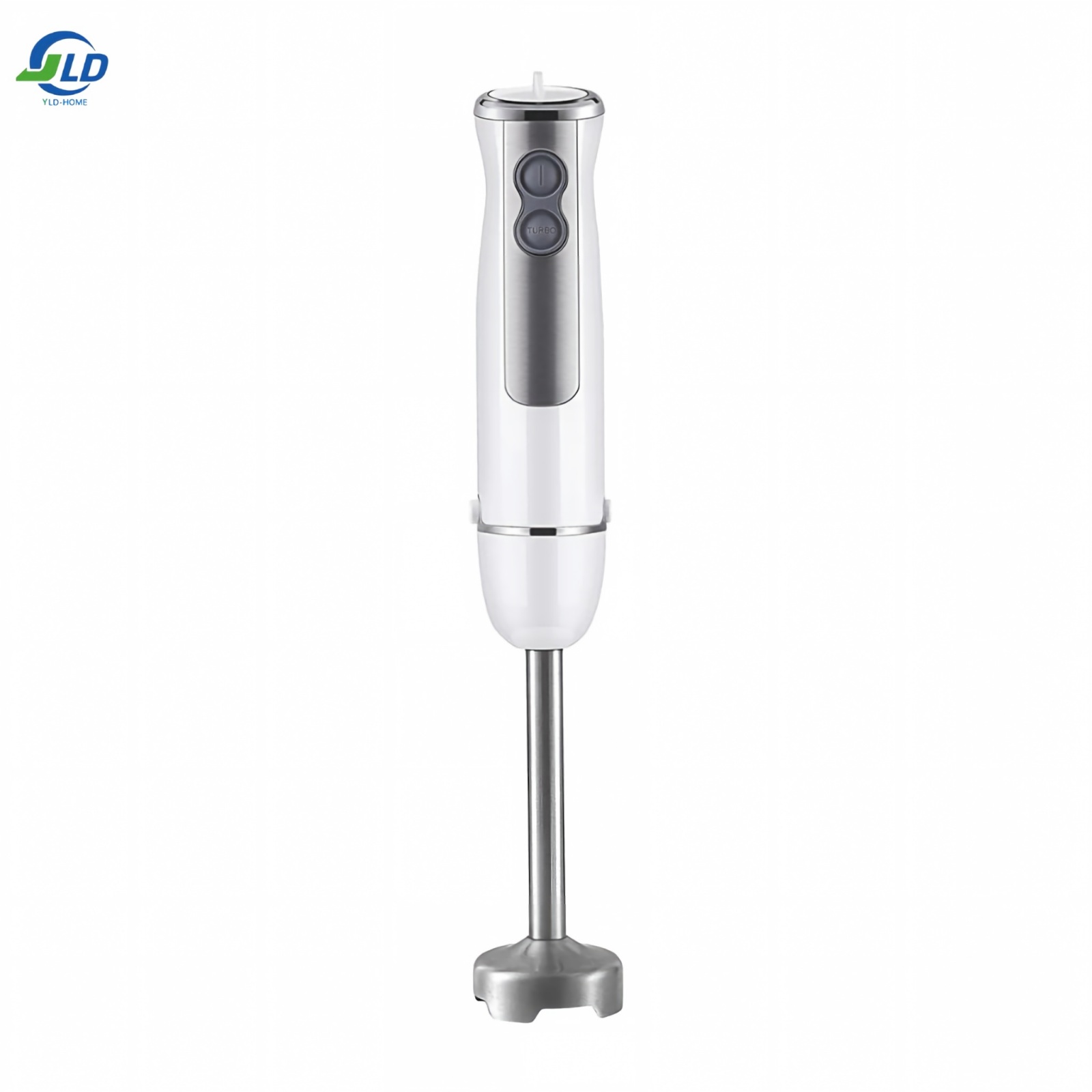
The small blender is the SKU retailers argue about least and reorder most. It takes a quarter of the shelf space of a full-size machine, sells at a price point that fits impulse buying, and it keeps moving even when the big-ticket kitchen category is flat. We have watched the small blender carry entire appliance assortments for US retailers, and this guide explains why, plus exactly how wholesale buyers should source one.
Why the Small Blender Is Retail’s Fastest-Moving Kitchen SKU
Walk any appliance aisle in the US and count the small blenders. There are always three or four, from different brands, at different price points, and they all sell. Here is what we see in the data from our US customers: a small blender outsells a full-size blender roughly three to one in units, even though it generates a third of the revenue per unit. The math works because the small blender is a gift item, a dorm item, a first-apartment item, and a travel item all at once.
The buyers are not just consumers. Retailers love the small blender because it turns fast. A hardware chain in the Pacific Northwest told us their small blender line turned six times a year, against twice a year for the rest of small appliances. That turn rate matters more than margin, because shelf space is rent. A SKU that turns six times earns its shelf, and that is why category managers protect it.
The other reason the small blender sells is simplicity. No one is intimidated by it. A full-size blender with 12 presets requires a manual; a small blender is obvious. Open the box, plug it in, push the button. When we test-market new colors and finishes for US buyers, the small blender consistently outsells everything else in the sample batch. Retailers who skip this category are leaving turns on the table.
What US Buyers Actually Mean by “Small Blender”
Before you source, know the definition. In US retail, “small blender” covers three distinct product families, and they are not interchangeable:
| Family | Typical size | Typical price at retail | Typical buyer |
|---|---|---|---|
| Personal blender | 300–600 ml, single-serve cup | $20–$40 | Gym shoppers, offices, dorms |
| Compact countertop | 1–1.5 liter jar, narrow footprint | $30–$60 | Small kitchens, apartments |
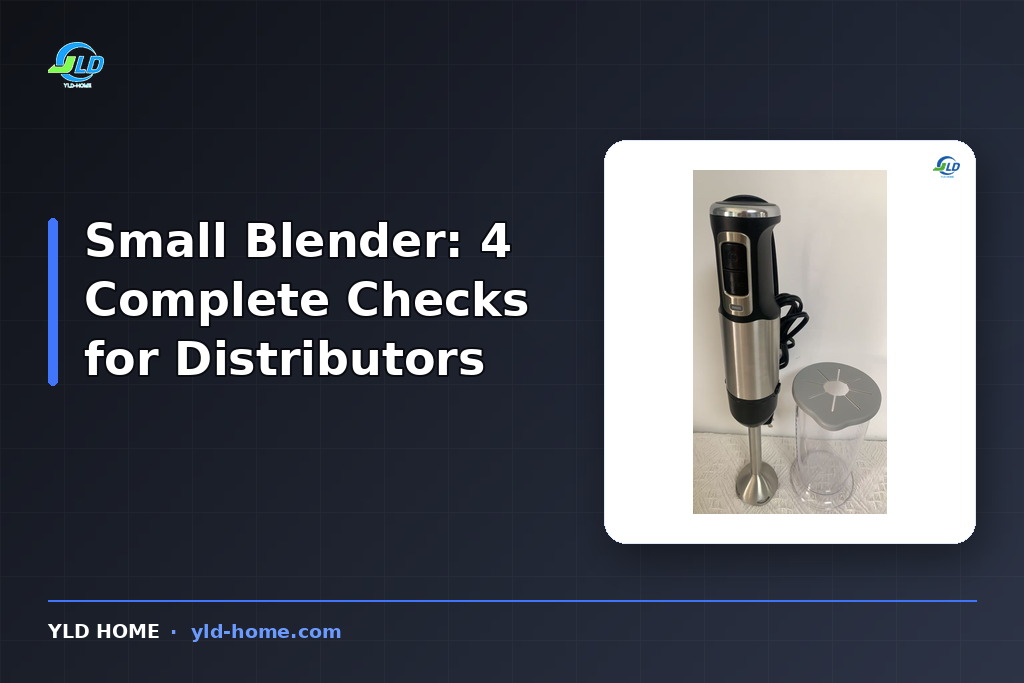
| Hand/stick blender | 600–1000W, wand + beaker | $25–$70 | Home cooks, meal preppers |
Each family has its own packaging, its own compliance profile, and its own margin structure. The personal blender sells on convenience and portability. The compact countertop sells on footprint. The stick blender sells on versatility. If you are buying small blender wholesale USA, decide which family fits your assortment first, because the sourcing path differs.
The good news: the same factory can often cover two of the three families. YLD Home builds both compact countertop-style stick blenders and personal-style units, so one supplier, one container, one compliance package covers more of your shelf. Retailers who treat the small blender as one category instead of three usually end up with a better vendor relationship and better pricing.
Retail Math: Margins, Turns, and Shelf Space
Let’s do the math the way a category manager does. A small blender at $29.99 retail, sourced at $9.50 FOB, lands around $12.50 after freight and duty. That is a 58% gross margin at retail, and roughly 45% even after markdowns and chargebacks. Compare that to a full-size blender at $99.99, sourced at $38: about 52% margin but three times the working capital locked in inventory.
Turn rate is where the small blender wins the shelf. Here is a realistic comparison for a US retailer:
| Metric | Small blender | Full-size blender |
|---|---|---|
| Retail price | $29.99 | $99.99 |
| Landed cost | $12.50 | $45.00 |
| Gross margin | 58% | 55% |
| Inventory turns/year | 6 | 2 |
| Units per pallet | 96 | 24 |
| Space per unit | 0.8 sq ft | 2.5 sq ft |
The small blender earns 6 turns on 0.8 square feet of shelf. That is the kind of number that makes a category manager reallocate space. When we quote a small blender program for a US retailer, we always include the turn math in the presentation, because it sells the product before the product arrives.
There is a second, quieter benefit: the small blender is a repeat-purchase gateway. Buyers who start with a $30 small blender come back for the $100 machine later. One of our retail customers calls it “the entry drug” of their appliance aisle, and they are not wrong.
How Small Blender Wholesale USA Buying Really Works
The typical small blender wholesale USA order starts one of three ways: a retailer goes direct to a factory, a retailer buys through an importer-distributor, or a brand owner runs a private label program with a factory like ours. Each route has a different cost structure, and we see buyers make the same mistake in all three: they optimize price per unit instead of total landed cost.
Direct factory buying gives the best unit price, but you carry the logistics, the compliance paperwork, and the inventory risk. Buying through a US distributor gives you speed and flexibility, at a markup of 30 to 50% over factory pricing. Private label with a factory gives you brand ownership with the factory absorbing most of the complexity.
The practical rule we give buyers: if your first order is under 1,000 units, buy through a distributor and test the market. When you are reordering several containers a year, come direct. We have walked several US importers through exactly this transition, and they all ended up with better margins and better control.
One thing that surprises first-time buyers is how much documentation a smooth US import needs. We handle the export side: commercial invoice, packing list, certificate of origin, and the certification dossiers. Our export team in Shenzhen has cleared hundreds of containers into the US, and the paperwork discipline is why our customers’ containers rarely sit at customs.
Private Label: Your Brand on a Small Blender
If you are searching “small blender manufacturer usa private label,” you probably already know what you want: your brand, your packaging, your margin. Private label on a small blender is the cheapest brand entry in small appliances, because the product is simple, the MOQ is low, and the category turns fast.
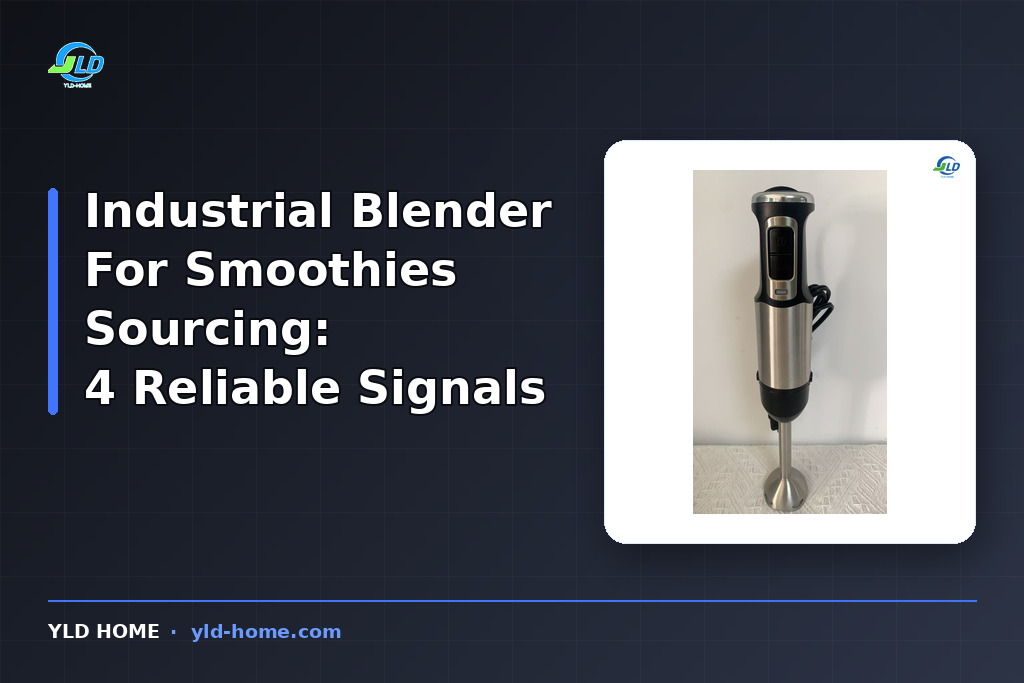
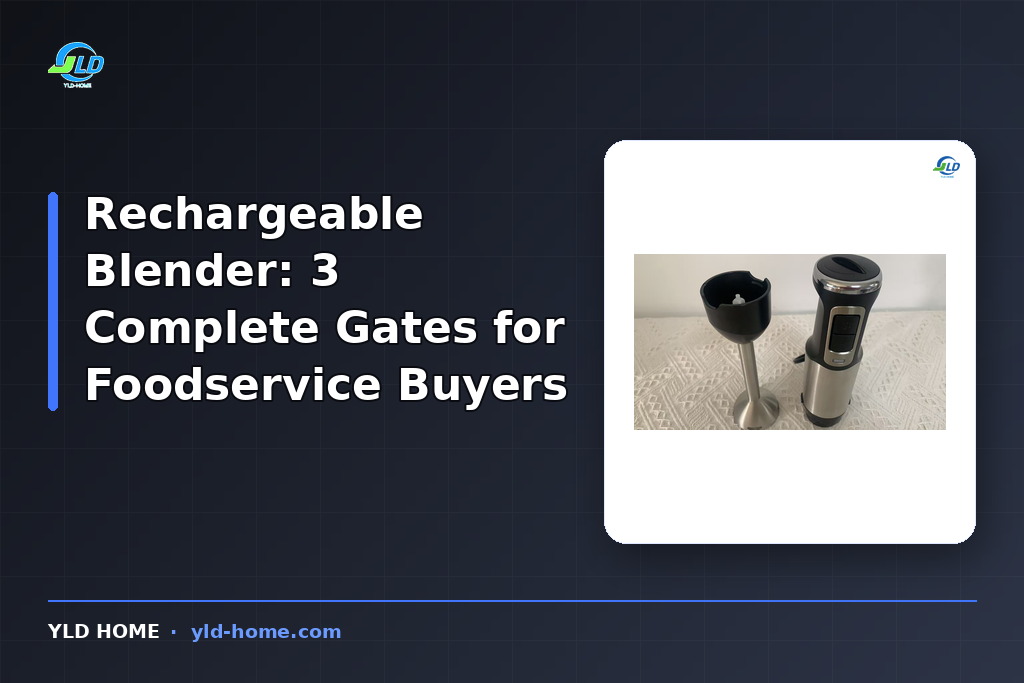
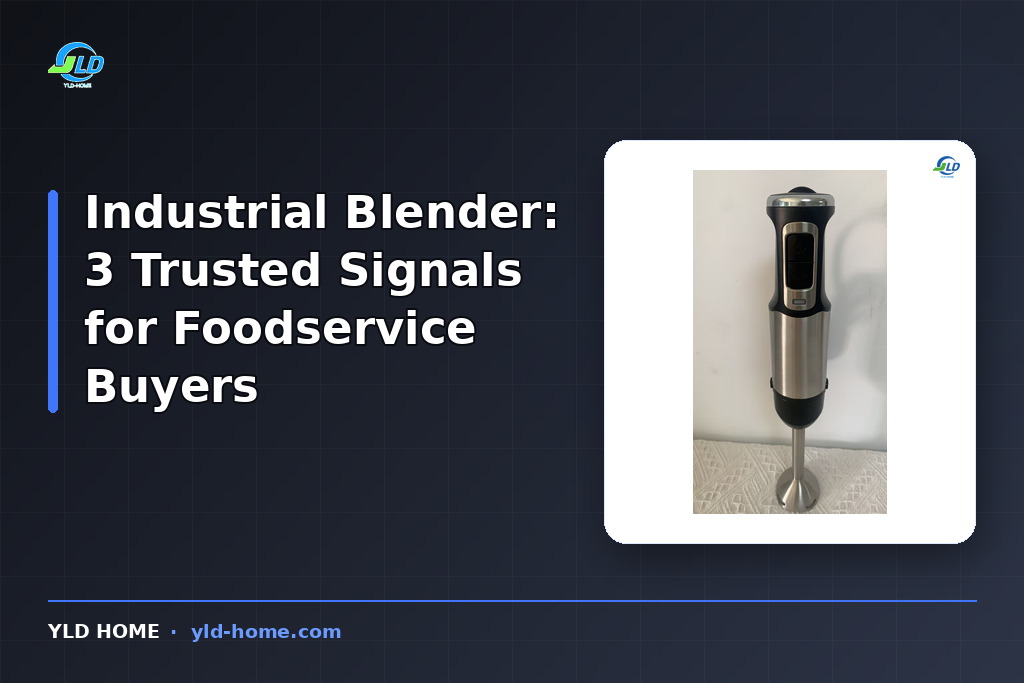
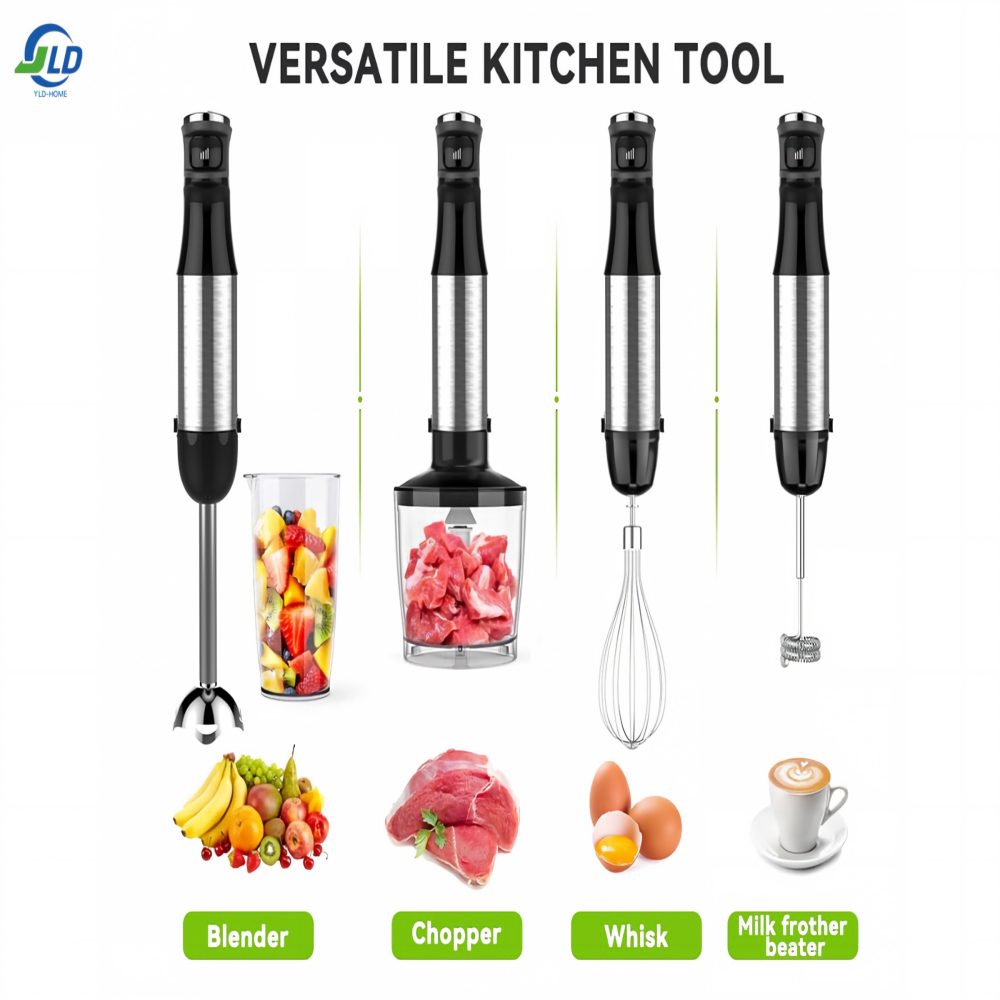
Here is what a YLD Home private label program looks like. You choose the model, usually from our hand blender range or our stick blender lineup. We apply your logo to the unit and the carton, print your packaging, write your manual in English, and set up your warranty terms. The 4-in-1 hand blender is the most popular private label base we have, because it covers whisking, chopping, and blending in one SKU, which gives retailers a bigger story for the same shelf space.
The timeline is honest and fixed: 1 week for artwork approval, 3 to 4 weeks of production, then ocean freight. Your first private label container typically lands 8 to 10 weeks after the deposit. Reorders are faster because the artwork and tooling are already done.
Private label also protects your pricing. When you buy the same machine as three other importers and sell under your own brand, the market cannot price-match you to a commodity. A distributor in Seattle runs a private label small blender line with us, and they told us their private label units outsell the national brand next to them at a $5 higher price. Branding works when the product works.
Compliance: 120V, UL/ETL, FDA, and the Retail Audit
Every small blender sold in the US needs the same compliance stack, and retailers now audit it electronically. The big-box buyers upload your certification to their compliance system before they will even issue a purchase order. Missing one document kills the order.
The stack for a small blender:
- UL 982 or ETL listing for electrical safety
- FDA food-contact compliance for the jar, cup, and blades
- California Prop 65 statement for any retailer shipping to California
- FCC Part 15 for anything with electronics
The jar material matters for FDA. We use BPA-free Tritan and food-grade stainless on all our US-bound small blenders, and we keep material certificates for every production run. When a buyer in Ohio asked for FDA paperwork, we sent the certificate of the exact resin batch within a day.
Voltage is the other easy trap. US retail needs 120V/60Hz with a NEMA 5-15P plug. Some factories ship 220V stock to US buyers who never check, and the container lands dead on arrival. Every machine we ship to the US is 120V as standard, and the plug, cord, and manual all match. Check the voltage spec on the sample before you pay for a container.
Selling Small Blenders in Seattle and the Pacific Northwest
The Pacific Northwest is a sleeper market for the small blender. Seattle, Portland, and the surrounding metro areas have high rates of apartment living, gym culture, and meal-prep households, all of which buy small blenders. If you are a small blender supplier Seattle retailers rely on, you already know the demand is steady year-round, not just in Q4.
What is different about the Northwest: the outdoor and fitness angle. Personal blenders with travel cups sell disproportionately well there, and retailers like REI-adjacent outdoor chains and local co-ops carry them as accessory items. The smoothie boom of the past decade turned the personal blender from a novelty into a daily-use item, and the Northwest adopted that habit earlier than most regions. The region also skews toward sustainability messaging, so BPA-free and recyclable packaging claims matter more than in other markets.
One distributor we work with in the Northwest built their whole small blender assortment around the 6006L powerful stick blender и 6007 мощный блендер, plus the 6008 мощный блендер for the premium tier. Same factory, three price points, one compliance package. That is the pattern that works: one supplier covering a ladder of price points instead of three vendors fighting for margin.
If you are testing the Northwest market, start with personal blenders and compact units. Full-size machines sell there too, but the small blender is the category that over-performs its shelf space, and that is where a new buyer builds confidence with their merchants.
The Wholesale Price Ladder for Small Blenders
Here is the pricing reality for small blender wholesale USA buying in 2026, based on what our customers pay at FOB Shenzhen:
| Tier | Model type | FOB price | Typical retail | MOQ |
|---|---|---|---|---|
| Entry | 300W personal blender, 400 ml cup | $4.50–$6.50 | $19.99–$29.99 | 1,000 units |
| Mid | 600W stick blender with beaker | $7.50–$10.50 | $29.99–$49.99 | 1,000 units |
| Премиум | 1000W stick blender, metal shaft | $11.00–$15.00 | $49.99–$69.99 | 1,000 units |
Add 20 to 30% for landed cost depending on your port and freight rates. The entry tier is a traffic driver, the mid tier is the volume seller, and the premium tier carries the margin. Retailers who run all three tiers from one factory get better freight rates because they ship mixed containers.
The most common pricing mistake we see: buyers negotiate the entry tier to the bone and ignore the premium tier, where the actual margin lives. One of our customers in Chicago makes more gross profit on the premium stick blender than on three times the units of the entry model. Price the ladder, not the bottom rung.
Design Details That Move Units
After a decade of building small blenders, YLD Home knows which design details move units and which ones just move the bill of materials. Here is what US retail buyers should look for:
- A cup that is actually leak-proof. We test every cup design upside down with liquid for 24 hours. Leaks are the number one return reason in the category.
- Blades that are removable and dishwasher-safe. Consumers check this at the shelf, and reviewers check it at home.
- A one-button operation. Presets and screens add cost and confusion. The best-selling small blenders we build have exactly one button.
- Cord length. A 6-ft cord sounds trivial until a consumer cannot reach the outlet, and it becomes a one-star review.
- The lid seal. A cheap gasket fails in three months, and the unit comes back under warranty.
When we tested a new cup design last year, the prototype leaked at the seal after 200 cycles. We went back to the mold, changed the gasket material, and ran 5,000 cycles before shipping. That is the difference between a factory and a trading company: we test until it fails, then fix it, then test again.
MOQ, Lead Time, and Freight: The Buyer’s Checklist
Before you sign anything, lock down these five numbers: MOQ, production lead time, freight time, landed cost, and warranty terms. Here is our standard offer so you can compare us to anyone else:
- MOQ: 1,000 units per model, mixed models welcome in one container
- Production: 3 to 4 weeks from deposit and artwork approval
- Freight: 25–35 days ocean to Los Angeles, 35–45 days to New York or Miami
- Warranty: 12 months on the motor, parts shipped with your container if ordered
- Samples: available at cost, shipped DHL in 5–7 days
One checklist item buyers forget: the holiday calendar. US retail peaks in Q4, and Chinese New Year closes factories for two to three weeks in late January or February. If your first order ships in October, you have missed the season. Book production slots for Q4 retail by June at the latest, and by April if you want a cushion. That timing is not negotiable in practice: the factory that promises October delivery in September is the same factory that misses it every year.
The other forgotten item is packaging. US retail has its own packaging standards: FBA-compliant cartons if you sell on Amazon, retail-ready packaging with UPC and country-of-origin labels, and clear wattage and voltage disclosure. We handle all of it, but we need to know your channel before we print. Tell your supplier where the product will sell, and let them build the packaging around the channel.
Get Wholesale Quote — tell us your channel, target retail price, and volumes, and YLD Home will send a price list, samples offer, and certification dossiers within 48 hours. We have shipped millions of small appliances to US retailers, importers, and private label brands, and your small blender program could be the next one.
Small Blenders for Apartments, Dorms, and Offices
Roughly half of US households now have one or two people, and that reshapes what retailers sell. A full-size machine is overkill in a studio apartment, a dorm room, or a break-room kitchen. The small blender fits the counter, the cabinet, and the budget, which is why demand in those settings is steady all year instead of spiking only in Q4. Dorm move-in week alone moves more small blender units than some retailers sell of full-size machines in a full quarter. Office managers buy them for staff kitchens, and apartment landlords stock them in furnished units. YLD Home builds personal and compact models sized for exactly these spaces, with 300–600 ml cups, short cords that reach the outlet, and one-button operation that needs no manual. If your assortment targets students, apartment dwellers, or office buyers, the small blender is the SKU that keeps turning. Ask us about cup sizes, colors, and packaging tuned for those channels.
Часто задаваемые вопросы
Q1: What is the best small blender for a US retailer’s first wholesale order?
Start with a 600W stick blender with a beaker, at a retail price around $29.99 to $39.99. It is the fastest-turning small blender in the category, covers the widest range of uses, and has the best margin-to-space ratio on the shelf.
Q2: What is the MOQ for a small blender wholesale USA order?
Our standard MOQ is 1,000 units per model, and you can mix models in one container. First-time importers often start smaller through a distributor, then move to direct factory buying as volume grows.
Q3: How long does a private label small blender program take?
About 8 to 10 weeks from deposit to delivery for your first order: one week for artwork, 3 to 4 weeks of production, then 25 to 45 days of ocean freight depending on your port. Reorders run faster.
Q4: Do you offer 120V small blenders for the US market?
Yes. Every small blender we ship to the US is 120V/60Hz with a standard NEMA 5-15P plug. We do not ship 220V stock to US buyers, and we label voltage clearly on the packaging.
Q5: What certifications does a small blender need to sell in US retail?
UL or ETL listing, FDA food-contact compliance for cups and blades, and California Prop 65 for any retailer shipping to California. FCC Part 15 applies to models with electronics. We provide the full dossier with every quote.
Q6: Can we put our own brand on a small blender from YLD Home?
Yes. Our private label program covers logo, colors, packaging, manual, and warranty terms. The 4-in-1 hand blender is our most popular private label base.
Q7: What is the warranty on a wholesale small blender?
12 months on the motor from the ship date. We ship spare parts with your container if you order them, and your distributor stocks them for fast swaps. Most claims are resolved with a replacement motor, not a full return.
Q8: Which ports do you ship to, and how fast?
Any US port. Los Angeles and Long Beach in 25 to 30 days, New York and Savannah in 35 to 45 days, and Houston on a similar schedule. Samples ship DHL in 5 to 7 days from Shenzhen.