










مطحنة القهوة Manufacturer in China: Complete OEM & Private Label Guide (2026)
Coffee grinders are one of the most versatile small appliances you can import: the same blade grinder sells to coffee drinkers, spice brands and health-food companies. This guide covers how to source coffee grinders from a manufacturer in China for wholesale, OEM or private label, with everything from factory evaluation to shipping.
In this guide: Why China Leads Coffee Grinder Manufacturing · What a Coffee Grinder Manufacturer in China Offers · How to Evaluate a Coffee Grinder Factory · OEM vs ODM vs Private Label for Coffee Grinders · الشهادات for Coffee Grinder Imports · Quality Control Considerations
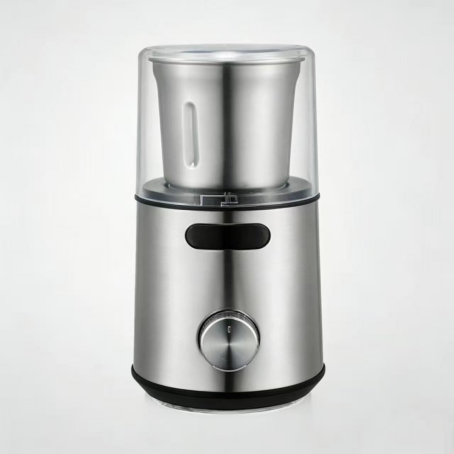
Why China Leads Coffee Grinder Manufacturing
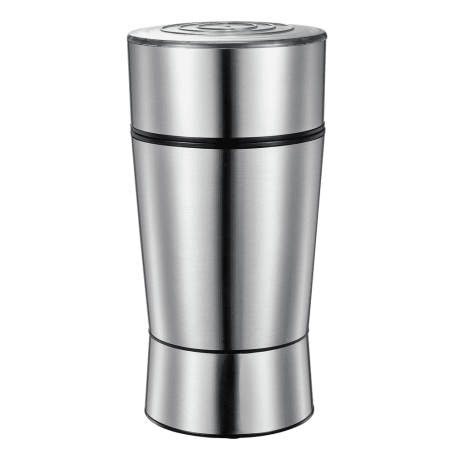
Chinese factories produce the full range of coffee grinders: simple 200W blade grinders, electric spice grinders, and entry burr models, at prices that make import profitable across the USA, EU, UK and South Africa. The category is mature, specifications are stable, and factories like YLD Home run dedicated lines with stainless steel grinding chambers and one-touch operation.
The category is also resilient. Grinders sell year-round, not just in holiday seasons, and the multi-purpose angle, coffee plus spices plus nuts, broadens the buyer base. For importers, that means steadier reorders and less seasonality risk than many other appliance categories.
What a Coffee Grinder Manufacturer in China Offers
| الطراز | What you get | الأفضل لـ |
| البيع بالجملة | Standard 200W blade | Distributors |
| grinders, mixed loads | ||
| الشركة المصنعة للمعدات الأصلية | Your brand on proven designs | Coffee brands |
| ODM / Private Label | Custom capacity, color, packaging | Specialty and spice brands |
A typical blade grinder, 200W, 4 oz (110g) capacity, stainless steel blades, is an ideal private-label product because it grinds coffee beans, spices, nuts and grains, giving one SKU multiple use cases. That versatility makes it easier to sell to different retail channels with one inventory line.
How to Evaluate a Coffee Grinder Factory
Apply the standard seven criteria: experience, capacity, certifications, R&D, QC, sample speed, references. For grinders specifically, check three things.
First, blade material: stainless steel at minimum. Second, motor duty cycle: can it grind for a full minute without overheating? Many cheap grinders overheat quickly, which is a warranty nightmare for importers. Third, grind chamber safety: check the lid interlock, because a grinder that runs without the lid is a safety hazard and a liability. Ask for a grinding test sample before committing.
OEM vs ODM vs Private Label for Coffee Grinders
OEM works for coffee brands that want their logo on a proven grinder. ODM is valuable when you want a specific capacity, such as 4 oz versus 8 oz, or a spice-specific blade set. Private label is the fastest route for e-commerce sellers entering the coffee accessory niche.
Calculate total landed cost before choosing. Tooling for ODM adds cost but creates differentiation. For a first order, consider starting with OEM or private label on an existing model, then investing in ODM once you know which specification sells.
Certifications for Coffee Grinder Imports
Standard small-appliance requirements apply: CE for the EU, ETL/UL and FCC for the USA, SABS/SANS for South Africa, INMETRO for Brazil. Request certificates for the exact model you import. Keep certificates on file for customs and retail compliance, and check validity dates before reordering.
Quality Control Considerations
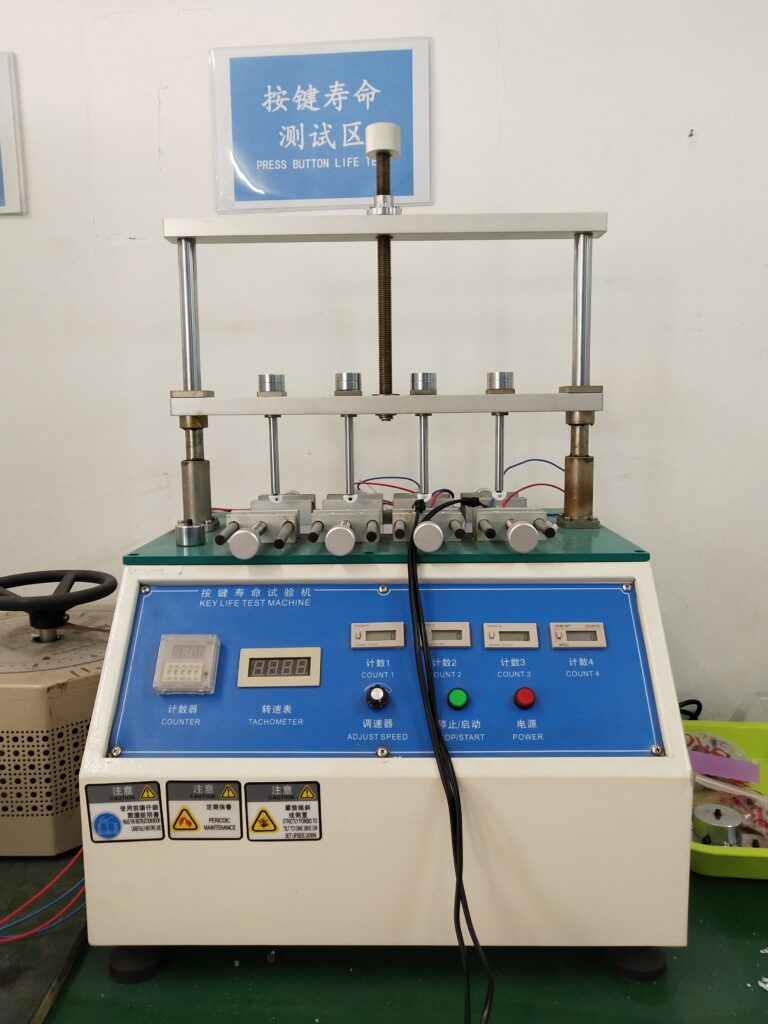
Coffee grinders have moving parts and blade safety concerns. Ask about blade balance testing, motor temperature checks and packaging drop tests. For first orders, request pre-shipment inspection. These checks protect you from the two most common complaints: inconsistent grind and motor failure.
The Private Label Coffee Grinder Process: Step by Step
Step 1: Choose base models. Step 2: Sample and grind-test with coffee, spices and nuts. Step 3: Branding and packaging, including your logo, box and manual. Step 4: Compliance verification for your market. Step 5: Confirm MOQ [1,000 pieces], lead time [7 days] and shipping terms. Step 6: Pre-shipment inspection. Step 7: Launch with spare parts and after-sales support.
Start Sourcing Coffee Grinders from China
Tell us your target models and volumes. We reply with factory pricing, sample options and a formal quotation within 24 hours.
Marketing the Grinder Category
Grinders sell through versatility: coffee in the morning, spices in the kitchen, nuts in the pantry. For retail, use application imagery and a clear capacity story. For B2B, position the range by class and margin. Provide spec sheets, images and comparison guidance to channel partners so they can match buyers to the right model.
Coffee content builds authority: grind guides, brew-method explanations and maintenance tips earn trust and repeat visits. Distributors who publish useful content become the reference supplier in their market.
Factory Audit Basics
Audit the grinder line specifically: check the motor assembly, blade or burr sourcing, grind chamber QC, and the lid interlock test. Confirm the duty-cycle documentation and the packaging process. A video audit plus third-party inspection on your batch is the practical standard for first orders.
Content Marketing for Grinders
Coffee content builds authority for grinder sellers. Publish grind guides by brew method, comparison articles, maintenance tips and bean guides. Answer the questions your buyers actually search: grind size for espresso, blade versus burr, how to clean a grinder. Each piece of useful content earns traffic and trust, and it supports your listings with substance.
For B2B, content shortens the sales cycle: distributors who understand the product explain it better. Build a small library and reuse it across site, newsletters and sales materials.
Seasonal Planning
Coffee grinder demand rises around holiday gifting and the coffee season peaks. Map the peaks for your markets, plan reorders with lead time, and run promotions ahead of the peak. A steady base plus seasonal lifts is the healthy pattern. Use sell-through data by model to size orders instead of guessing.
Selling to Different Channels
Grinders sell through four channels, each with its own rules. Retail needs packaging, compliance and consistent supply. E-commerce needs strong images, fast delivery and reviews. Specialty needs grind performance and brand story. Wholesale needs margin, spares and reliable reorders. Map the channel rules before launching, and adapt the product story per channel.
Keep one core product line and vary the packaging and content per channel. This keeps inventory simple while serving each channel’s expectations.
Supplier Scorecard
Score your grinder supplier on every order: certificate accuracy, sample speed, lead time reliability, grind consistency and communication. Keep the scorecard per model. A reliable supplier protects your range; a failing one costs you in service claims. Use the scorecard to negotiate better terms when the record supports it.
Market Trends for Coffee Grinders
The coffee grinder category benefits from two durable trends. The first is the growth of specialty coffee, which pushes consumers from pre-ground coffee to whole beans and raises demand for grinders. The second is the multi-purpose angle: blade grinders are marketed for coffee, spices, nuts and grains, which broadens the buyer base beyond coffee drinkers.
For importers, the trend means the category sells year-round, not just in holiday seasons. Entry-level blade grinders provide volume, while burr grinders capture the specialty premium. Distributors who carry both segments can serve retail, e-commerce and specialty channels from one inventory.
Common Sourcing Mistakes
The most common mistake is choosing a grinder on price alone and ending up with a motor that overheats in minutes. The second is ignoring grind chamber safety: a grinder without a lid interlock is a liability. The third is skipping samples, then discovering inconsistent grind performance after the container arrives.
Another mistake is poor specification. Capacity, motor wattage, blade material, voltage and plug type must be written down. Buyers who skip certification planning face customs delays. Finally, neglecting spare parts creates after-sales problems in a category where blades and burrs wear out.
Cost Breakdown and Negotiation
A coffee grinder’s cost is driven by the motor, blade or burr assembly, grinding chamber, and packaging. For blade grinders, the motor and blade quality are the components to verify. For burr grinders, the burr material and alignment define performance and cost.
Negotiation levers include volume commitments, mixed-container orders, bundling blade and burr models, and payment history. Ask for a component breakdown to understand where the price sits. As always, avoid unsustainable prices that the factory will recover from quality.
Documentation Checklist
Collect the specification sheet, commercial invoice, packing list, certificate of origin, safety certificates for your market, and QC reports. For grinders, keep blade and burr specifications documented for retail compliance. Check certificate validity before every reorder.
Reading a Coffee Grinder Specification Sheet
For coffee grinders, the spec sheet has four critical fields: motor wattage, capacity, blade or burr material, and voltage. Read the capacity in grams or ounces, because the 4 oz standard matters for retail positioning. Confirm the blade material: stainless steel at minimum. For burr models, note the burr type and whether it is adjustable.
Check the duty cycle and the grind time per batch. Some grinders list a maximum continuous run time, which protects the motor. Match the certificate model number to the sheet, and confirm the packaging details for retail.
The Blade vs Burr Price Ladder
Wholesale pricing follows a clear ladder. Entry blade grinders are the cheapest class and move the highest volume. Upgraded blade grinders with better motors and larger capacities sit in the middle. Burr grinders start higher and climb with burr quality and motor size. Distributors use the ladder to build a complete range: value at the bottom, specialty at the top.
Sample Testing Protocol for Coffee Grinders
Test every shortlisted model the same way: grind 50g of the same beans, sift the grounds and compare particle size; run a second batch immediately and check for overheating; grind spices and nuts to test multi-purpose use; check noise; and clean the chamber to see how easy maintenance is. Record the results in a table and pick the model that balances performance and cost.
Glossary
Burr: the abrasive grinding surface in a burr grinder. Grind setting: the adjustable coarseness level. Capacity: the maximum beans per batch. Duty cycle: maximum continuous run time. Lid interlock: a safety switch that prevents operation without the lid. Hopper: the bean container.
A specialist coffee grinder manufacturer in China will walk you through blade versus burr options before quoting.
Official references: [Coffee Grinder – Wikipedia](https://en.wikipedia.org/wiki/Coffee_grinder)
Coffee Grinder Manufacturer in China: MOQ, Tooling and Lead Time
Three numbers decide whether a coffee grinder programme is viable, and none of them is the unit price. The first is the minimum order quantity, which is 1,000 units per model because that is the level at which a colour and a voltage configuration can be run without breaking the production slot. The second is tooling, which only applies if you want a body shape or a hopper that does not exist yet. The third is lead time, which moves the moment your artwork approval slips, not the moment you place the deposit.
For a standard model in an existing colour, production runs twenty-five to thirty-five days from approved artwork and confirmed packaging. YLD Home quotes that window in writing on the quotation, and sample production is normally about seven days so the certification and the label work can run in parallel rather than in sequence. A buyer who plans a launch date from the deposit date rather than from the artwork approval date is usually two to three weeks optimistic.
Tooling is where budgets go wrong. A new body shell, a new hopper or a custom burr housing each carries a mould cost and a first-article approval cycle, and the mould is normally amortised over the first order rather than paid once and forgotten. Ask for the tooling cost, the ownership of the mould and the amortisation basis in the same email, because a coffee grinder manufacturer in China that answers all three clearly is telling you how the rest of the programme will be run.
Spare Burrs, Service Stock and Warranty for Grinder Importers
A grinder is a wearing part wrapped in a motor. Burrs and blades dull, hoppers crack, and a lid switch eventually fails, so the service story matters as much as the specification sheet. Price a service allocation into every container: a small percentage of extra burr sets or blade assemblies, plus a handful of lids and hoppers, held by the importer so a retail customer can be served in the same week rather than the same quarter.
The warranty should be split by component. Cover the motor and the switch for twelve months from delivery, and treat burrs and blades as consumables with a published replacement price. That split is honest about what wears and what fails, and it protects the importer from a claim on a part that was never designed to last forever. YLD Home quotes the spare-parts list per model alongside the unit price, and the quality control page shows the grinding test each unit passes before packing.
Importers who also carry blenders or preparation equipment can run one service counter across the range: the hand blender range و معالج الطعام line share the same cord, switch and coupling logic, so a single kit and a single troubleshooting sheet cover several categories. The factory tour page shows how the assembly and test stations are laid out for that kind of mixed programme.
Frequently Asked Questions (FAQ)
What is the minimum order quantity for coffee grinders from China?
The minimum is 1,000 units per model, which is the level at which one colour and one voltage configuration can be run efficiently. YLD Home quotes a mixed container so a buyer can combine blade and burr models, or two colours, inside the same order rather than committing the full quantity to a single SKU.
Should I choose a blade or a burr grinder?
Blade models suit entry price points, gifting and casual use, while burr models suit specialty coffee, repeat buyers and higher margins. YLD Home recommends leading with one blade model at depth and one burr model for the specialty channel, because the two sell to different customers and rarely cannibalise each other.
Which certifications are required for coffee grinder imports?
CE and GS cover the European Union, UKCA covers the United Kingdom, and ETL or FCC cover the United States and Canada, with the certificate naming the exact model and voltage. YLD Home supplies the test reports, rating-plate artwork and declaration documents, and treats any additional national scheme as a project with its own timeline.
Can I order private label grinders with my own branding?
Yes. Private label on an existing model covers the housing colour, the logo, the carton and the manual, and it does not require a new mould. YLD Home produces the artwork and confirms the print method per surface, which is the step that decides whether a logo looks like part of the product or like a sticker applied afterwards.
How long does production and shipping take?
Production runs twenty-five to thirty-five days from approved artwork, samples normally take about seven days, and sea freight adds five to seven weeks depending on the destination port. YLD Home confirms both windows in writing on the quotation so the launch date is planned from the approval date rather than from the deposit date.
Do you supply spare burrs, blades and hoppers?
Yes, for every model supplied. YLD Home includes a spare-parts allocation with each container so the importer can replace a worn burr set or a cracked hopper without waiting for the next shipment, and publishes the replacement price list so the service cost is known before the first claim arrives.
How do I test grind consistency before ordering?
Grind a sample batch at each setting and sift the grounds: a uniform particle size across the range indicates a well-aligned burr or blade set, and visible boulders at the fine setting indicate an alignment problem. YLD Home sends samples in five to seven days with the settings you intend to sell so the test matches the configuration in the quotation.